Iran war disruptions tighten heavy sweet crude supply
Refiners and fuel blenders are competing for heavy sweet crude as the Iran war disrupts Middle East supply. This shortage may lead to lower fuel quality for ships.

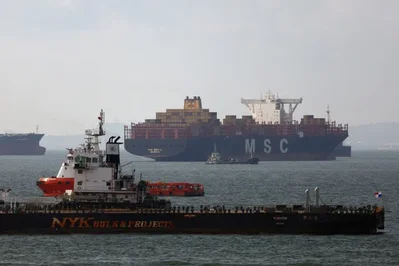
Marine fuel providers are grappling with a tightening supply of heavy sweet crude oil as refiners compete for the same blending components amid disruptions caused by the Iran war. This competition for higher-density, low-sulphur oil is occurring as refineries scale back production of low-sulphur fuel oil (LSFO) due to broader crude shortages, driving up spot premiums for maritime fuels.
Specific crude grades, such as Dar Blend from South Sudan and the Vincent and Pyrenees grades from Australia, are critical for the shipping industry. These oils are usually exported to major hubs like Singapore and Fujairah in the United Arab Emirates because their low-sulphur properties allow for easier blending into very low-sulphur fuel oil (VLSFO). However, since the outbreak of the Iran war on February 28, these supplies have been increasingly diverted to refineries to offset the loss of Middle Eastern imports.
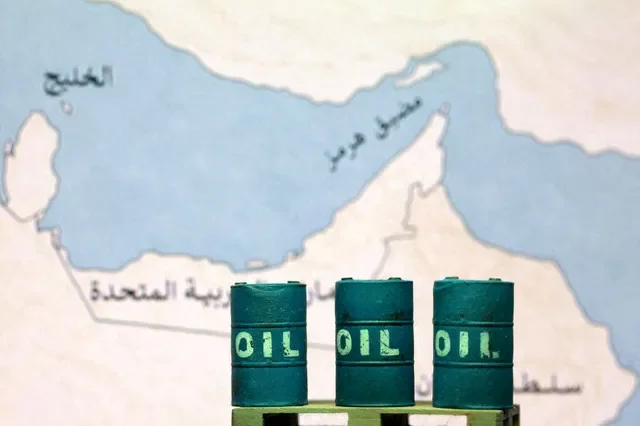
Market data shows that China has imported over 300,000 metric tons of Dar Blend monthly during March and April, a sharp increase from zero in February. As refineries face a shortage of medium sour crude, they are pulling in heavier sweet alternatives to maintain operations. This shift impacts global energy markets where benchmarks like Brent Crude Oil and West Texas Oil remain under pressure.
Emril Jamil, a senior analyst at the LONDON STOCK EXCHANGE GROUP, explained that refinery run cuts are forcing a change in production priorities.
The run cuts will also cause refiners to prioritise distillate fuel output such as diesel and jet fuel over LSFO, reducing supply for bunkers.
While increased imports from Brazil helped lower VLSFO premiums from their March peaks, prices remain well above pre-war levels. The scarcity of traditional blendstocks is also raising concerns that blenders may utilize unconventional oils, which can lead to engine damage.
Chris Turner, technical manager at Integr8 Fuels, noted that the use of alternative feedstocks is a predictable reaction to market stress.
This isnt an isolated lapse in quality, but a technical consequence of market stress, one we have seen repeat across every major disruption in the past decade.
Industry experts recommend that vessel operators seek detailed information from suppliers regarding the specific components used in their fuel blends to avoid technical failures.