
Iran signals openness to Spanish Strait of Hormuz requests
The Iranian embassy says Tehran is open to requests regarding transit through the Strait of Hormuz. Spanish officials noted their support for sanctions.

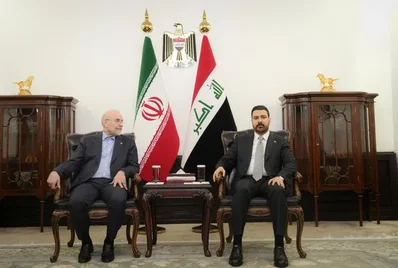
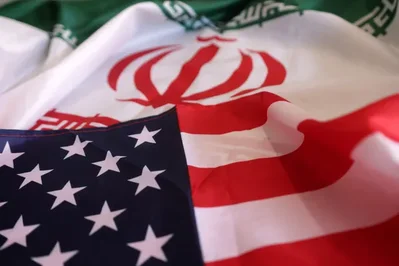
The Iranian embassy in Spain announced on Thursday that Iran[country:\{ value:"IR" \}] is prepared to consider requests from Madrid concerning maritime transit through the Strait of Hormuz. This development marks the first such diplomatic concession offered to a European Union member state amid ongoing regional tensions. The embassy cited Spain's adherence to international law as the primary reason for this receptiveness, noting that the country was among the first to condemn attacks by the United States and Israel on Iranian territory.
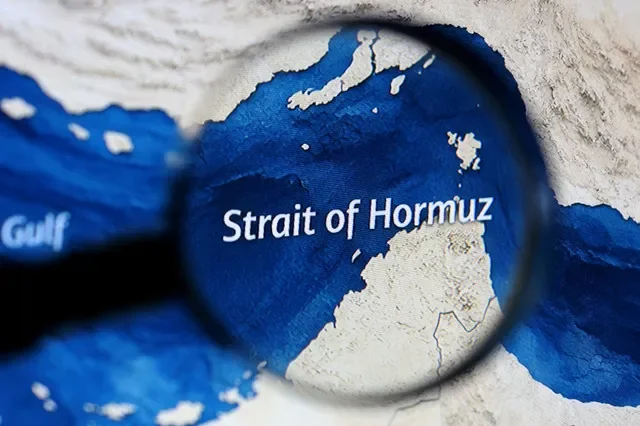
The offer follows a formal communication from the Iranian Ministry of Foreign Affairs to the United Nations, which indicated that non-hostile vessels might be permitted to transit the strait provided they coordinate with Iranian authorities. Currently, the conflict has severely disrupted global energy markets, halting approximately 20% of the world's oil and liquefied natural gas shipments.
Some nations have already successfully navigated these restrictions through diplomatic channels. A tanker from Thailand recently transited the strait safely following bilateral coordination, and the prime minister of Malaysia confirmed that Malaysian vessels are also being granted passage. Additionally, U.S. President Donald Trump suggested that Iran allow transit for vessels flagged by Pakistan as a gesture of goodwill during negotiations.
Despite the embassy's statement, Spanish Foreign Minister Jose Manuel Albares expressed skepticism and noted that Spain continues to support international sanctions against the Iranian government, including naming the Revolutionary Guards as a terrorist organization. During a diplomatic visit to Algeria, Albares called for a cessation of hostilities.
What we ask of Iran and all of those participating and promoting the war is de-escalation, diplomacy and negotiation, and that Iran ceases its unjustified attacks against all the countries in the Middle East.
The Spanish merchant fleet currently operates at its lowest level in two decades, consisting of 91 vessels as of June 2025. This includes only six oil tankers and 13 gas carriers. Data indicates that most Spanish-owned merchant ships fly foreign flags, and none of the Spanish-flagged tankers were located within the Gulf at the time of the announcement. Furthermore, analysis suggests that only a small fraction of the existing fleet meets the strict age and vetting standards required by major oil companies for such transit.