Iran blocks Strait of Hormuz as US ceasefire nears end
Shipping through the Strait of Hormuz stopped Sunday as Iran reasserted control. Negotiators remain divided on nuclear issues as a ceasefire deadline looms.

Shipping through the Strait of Hormuz reached a total standstill on Sunday as Iran reasserted its control over the strategic waterway. This development follows the collapse of a brief reopening and comes as a fragile ceasefire with the United States nears its expiration on Wednesday. While diplomatic efforts in Pakistan have been described as making progress by both Tehran and Washington, specific agreements on nuclear activity and maritime passage remain elusive.
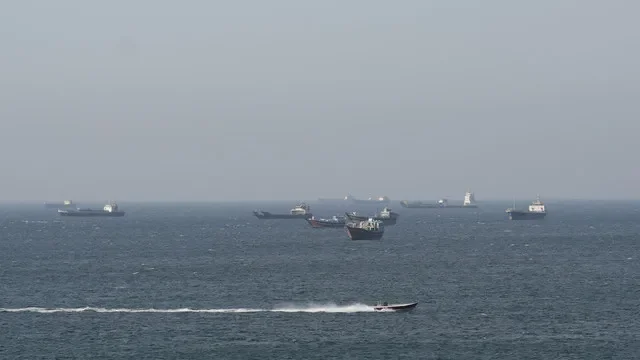
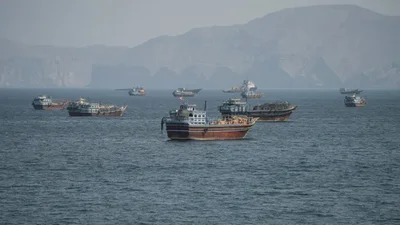
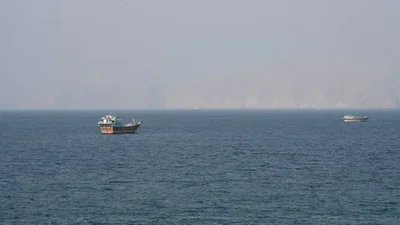
The sudden halt in traffic occurred after two India-registered ships reported coming under fire on Saturday. Subsequent tracking data indicated that a China-owned tanker and an Indian gas carrier were forced to turn back, leaving the waterway empty of commercial traffic after midnight GMT. This blockade has renewed concerns over global energy security, as the strait typically handles approximately 20% of the world's oil supply.
The ongoing conflict, now in its eighth week, has triggered historic shocks to the global energy market. Prices for Brent Crude Oil and West Texas Oil have surged due to the de facto closure, while markets for Natural Gas also face extreme uncertainty. The hostilities began on February 28 following a series of airstrikes involving Israel and have since expanded to include combat in Lebanon.
Negotiations in Islamabad have been led by high-level delegations, including U.S. Vice President JD Vance during earlier rounds. Iranian chief negotiator Mohammad Baqer Qalibaf indicated that while some common ground has been found, the parties remain divided on core issues.
"There is still a big distance between us."
The diplomatic situation remains tense as Iran accused Washington of violating the ceasefire by maintaining its own blockade of Iranian ports. A statement from the office of Supreme Leader Ayatollah Mojtaba Khamenei emphasized military readiness.
"Irans navy was ready to inflict new bitter defeats on its enemies."
President Donald Trump has described the Iranian move as blackmail and defended the U.S. maritime blockade. He has threatened to resume military operations unless a long-term agreement is reached before the current ceasefire window closes. Meanwhile, hundreds of vessels and approximately 20,000 seafarers are currently stranded in the Gulf, awaiting a resolution that would allow safe passage through the strait.