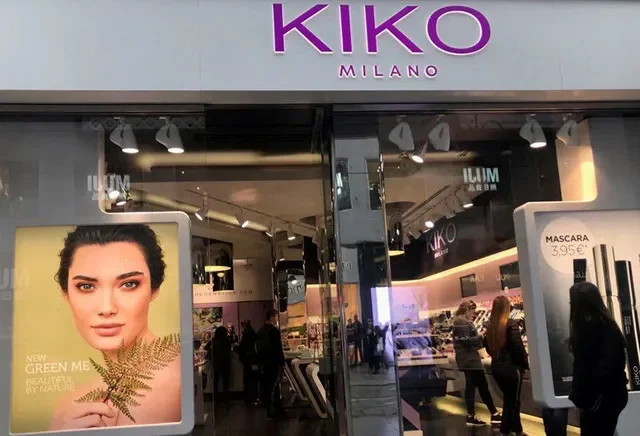
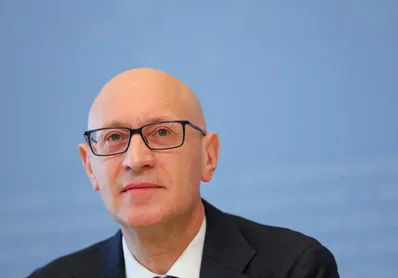
Simone Dominici, CEO of the Italian cosmetics group Kiko, estimated that logistics-related costs could rise by 1.5 million euros this year as a result of these disruptions.
"We are beginning to see cost increases driven by energy price inflation, compounded by delivery delays."
Dominici noted that a shortage of shipping containers in the Middle East is hindering the efficient movement of goods, particularly chemical components and packaging sourced from the Far East. These delays are forcing companies to reconsider their inventory strategies to avoid stockouts of popular items.
The supply chain disruption has forced companies to find new ways to secure raw materials. Yonwoo, which manufactures containers for L'OREAL, is struggling to maintain stocks of plastic resin. Contract manufacturers such as INTERCOS SPA and the Ancorotti Group are also facing significant challenges. Roberto Bottino, CEO of Ancorotti, highlighted that delivery times have nearly doubled in recent months.
"What once took eight weeks now can take 12 to 14 weeks."
To circumvent these issues, some firms are exploring alternative logistics. Fabio Franchina of Framesi mentioned that distributors are using road transport from Jeddah or switching to air and rail freight to maintain supply to Asian and Middle Eastern markets. Despite these hurdles, Italy remains a global leader in the industry, with 18 billion euros in production in 2025, making the stability of these trade routes vital for the national economy.