
Iran War Impacts Global Energy Supplies and Growth
The Iran conflict is disrupting energy supplies and manufacturing. Major economies face rising costs while nations like India and Egypt deal with currency drops.

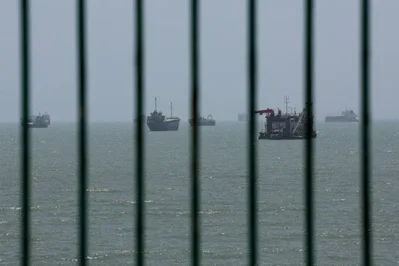
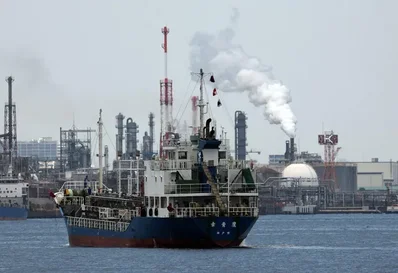
The prolongation of the conflict involving Iran risks an unprecedented global energy crisis. While the entire world economy faces threats, specific nations are more exposed due to their energy dependencies or fragile financial states. THE G7 ECONOMIES In Europe, the current energy shock evokes memories of the invasion of Ukraine by Russia four years ago, which highlighted import dependence and triggered double-digit inflation. Germany faces significant risks due to its industry-heavy economy and reliance on energy costs. As a major exporter, it is vulnerable to a global downturn. While a stimulus program was announced last year, budget shortfalls limit further support. Similarly, Italy maintains a large manufacturing sector and one of the highest shares of oil and gas in primary energy consumption in the region. The United Kingdom is particularly reliant on gas-fired power, which sets its electricity prices. Rising gas costs may force interest rate hikes, potentially leaving the country with the highest borrowing costs in the G7. In Asia, Japan is highly exposed, sourcing 95% of its oil from the Middle East, with 90% transiting the Hormuz Strait. This adds to existing inflationary pressures caused by a weak yen. Global technology firms, such as HP INC, are also monitoring supply chain disruptions as regional stability wavers. EMERGING MARKET HEAVYWEIGHTS The Gulf region is seeing direct economic impacts. Forecasters predict economic contraction this year for Kuwait, Qatar, and Bahrain if the Strait of Hormuz closure prevents hydrocarbon exports. India imports approximately 90% of its crude oil and half of its LPG, much of which passes through the Hormuz Strait. The rupee has hit record lows, and rising gas prices have led to informal food rationing. Meanwhile, Turkey faces geopolitical uncertainty and a potential refugee influx. Its central bank has halted interest rate cuts and spent $23 billion in reserves to support its currency. VULNERABLE NATIONS Several countries already facing economic crises are seeing conditions worsen. Sri Lanka has introduced a weekly public holiday for state workers and restricted fuel purchases via a National Fuel Pass. Pakistan has increased petrol prices, closed schools, and halved government fuel allowances to manage the crisis. Egypt is dealing with surging fuel and food costs alongside declining revenues from the Suez Canal and tourism. The cost of servicing its U.S. dollar-denominated debt has risen as its currency slumped nearly 9% since the start of the conflict.