India Secures New LPG Sources to Offset Gulf Disruptions
India is diversifying LPG imports from the US and Norway as Gulf supplies tighten. The state has prioritized domestic needs and secured more non-Hormuz crude.

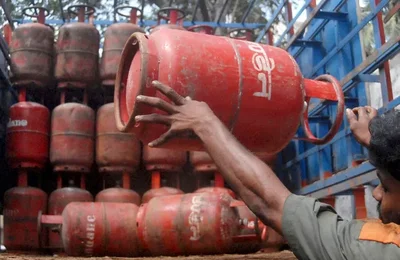
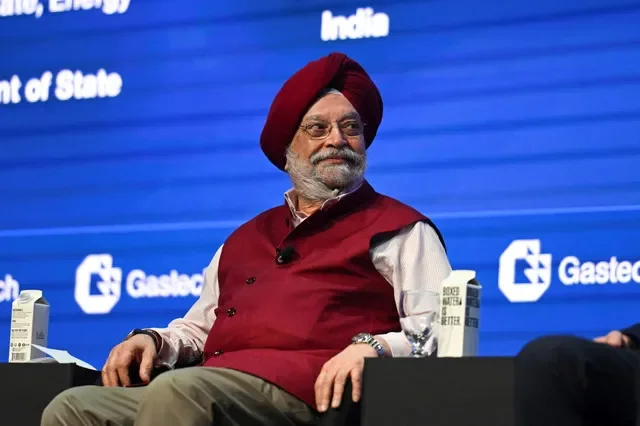
India is securing more liquefied petroleum gas (LPG) from new sources such as the United States, Norway, Canada, and Russia as supplies from the Gulf region tighten. Oil Minister Hardeep Singh Puri announced on Thursday that the nation is diversifying its procurement to ensure energy security amid global shipping constraints.
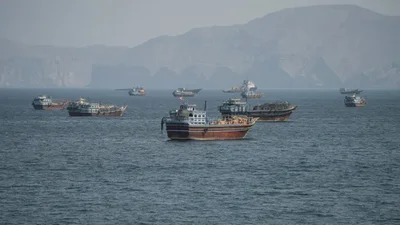
The supply disruptions are largely attributed to the ongoing conflict involving Israel and Iran, which has impacted traffic through the Strait of Hormuz. India, the world's second-largest LPG importer, previously relied on Gulf countries for about 60% of its requirements. To manage the current situation, the government has invoked emergency powers, directing refiners to maximize LPG production and reduce sales to industrial sectors.
This move may affect companies such as Oiles Corporation that depend on industrial fuel allocations. Additionally, the federal environment ministry has advised the hospitality and restaurant sectors to use alternative fuels for one month to free up LPG usage. This includes the use of kerosene and biomass, such as products from Asia Biomass Public Company Limited, as well as coal, including supplies from Warrior Met Coal, Inc..
Puri emphasized that the domestic supply for 333 million households remains fully protected.
"Domestic LPG supply is fully protected and the delivery cycle is unchanged."
He added that recent concerns were primarily driven by consumer anxiety rather than a physical shortage.
"The panic about cooking gas supplies was triggered by consumer anxiety rather than a supply shortage."
Beyond LPG, India has also increased its sourcing of non-Hormuz crude oil to 70% of its total imports. The minister stated that petrol and diesel availability is secure, and LNG cargoes continue to arrive via alternative routes, ensuring the nation's energy position remains stable even if global conflicts persist.