India and EU Set WTO Guardrails in New Draft Trade Pact
India and the EU will grant each other Most Favoured Nation status and align digital trade rules. The deal aims to double EU exports to India by the year 2032.

India and the European Union have established a framework to grant each other Most Favoured Nation status under a draft trade agreement, preventing either party from offering better tariff terms to other partners for five years. This strategic move follows a long-delayed deal reached last month, designed to slash tariffs on the vast majority of goods and invigorate two-way trade amidst a climate of global trade tensions.
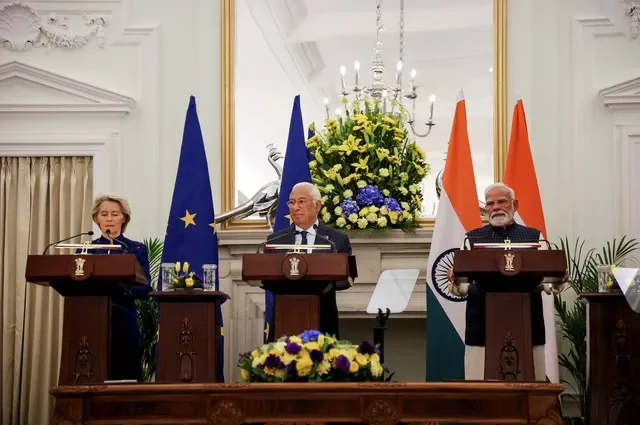
The pact, which is expected to take effect within a year after legislative ratification, is forecasted to double exports from the European Union to India by 2032. By eliminating or reducing tariffs on 96.6% of traded goods by value, the agreement is anticipated to result in savings of 4 billion euros ($4.7 billion) in duties for European firms. While the deal covers a wide range of sectors, both sides have confirmed that sensitive agricultural items, including soya, beef, sugar, rice, and dairy, are excluded from the current scope.
According to the draft text released by the Indian trade ministry, both regions have agreed to lock in commitments that prevent the imposition of new import or export restrictions beyond existing World Trade Organization (WTO) rules. To facilitate trade, New Delhi and Brussels will align food safety and plant health measures with WTO standards while streamlining certification and audit procedures. This cooperation extends to customs, where the text envisages faster clearance of goods and binding commitments upon ratification.
The agreement also places a significant emphasis on digital trade and the modern economy. India and the European Union have committed to curbing unjustified barriers to digital commerce while promoting an open and secure online environment. The draft recognizes privacy as a fundamental right but preserves the authority of both parties over personal data protection and rules regarding cross-border data transfers. Furthermore, the pact promotes the legal recognition of electronic signatures, contracts, and authentication to support paperless trade.
In addition to economic and digital cooperation, the draft outlines a commitment from the European Union to mobilize finance and investment to support India’s transition toward lower greenhouse gas emissions. Implementation of the pact will be monitored through the annual exchange of import data, starting one year after the agreement takes effect, ensuring transparency in the use of tariff preferences and the handling of customs decisions.