
Greek seafarers strike over crews stranded in the Gulf
Greek unions held a 24-hour strike on Thursday for crews stranded in the Gulf. A new deal allows mariners to refuse sailings and receive higher compensation.

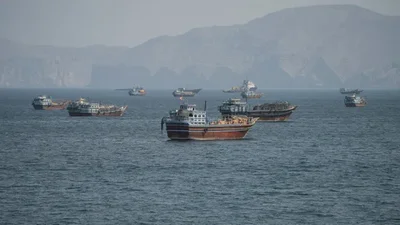
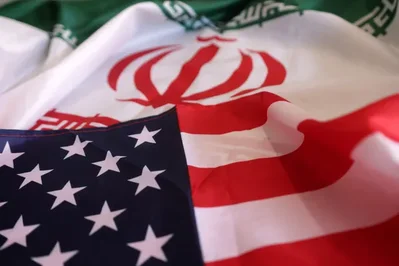
Maritime operations in Greece came to a standstill on Thursday as seafarers launched a 24-hour strike to protest the plight of crews stranded in the Gulf. The escalation of regional conflict involving Iran has severely disrupted global trade routes, particularly through the Strait of Hormuz. This critical waterway is responsible for approximately 20% of the world's energy supply, including shipments of Brent Crude Oil. While the strait remains technically open, threats of military action have left at least 200 vessels anchored nearby in a state of uncertainty.
The situation has become increasingly perilous since hostilities began on February 28. Reports indicate that nine ships have sustained damage and at least one seafarer has lost their life. The International Maritime Organization has expressed grave concerns for the safety of roughly 20,000 mariners currently in the region. As a global shipping powerhouse, Greek interests are heavily exposed, with over 325 Greek-owned or managed vessels operating in the wider Gulf area.
In response to the growing danger, the International Bargaining Forum (IBF), which includes commercial shipping companies and global unions, reached a landmark agreement on Thursday. Under the new terms, seafarers now have the right to refuse to sail into the Mideast Gulf. Those who choose to leave will have their repatriation costs covered by the company and receive compensation equivalent to two months of basic wages. The International Transport Workers Federation (ITF) confirmed that pay will be increased for those remaining, and disability or death benefits will be doubled.

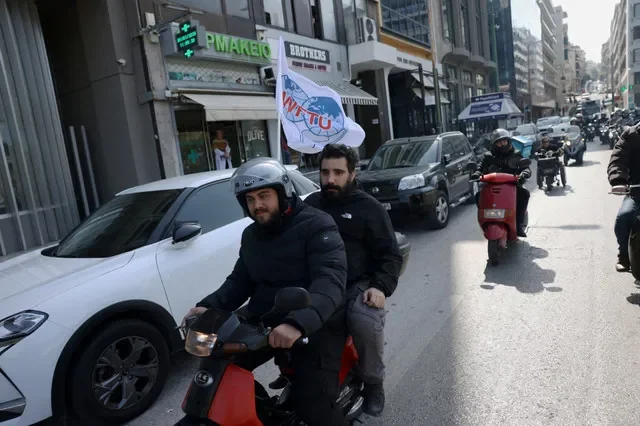
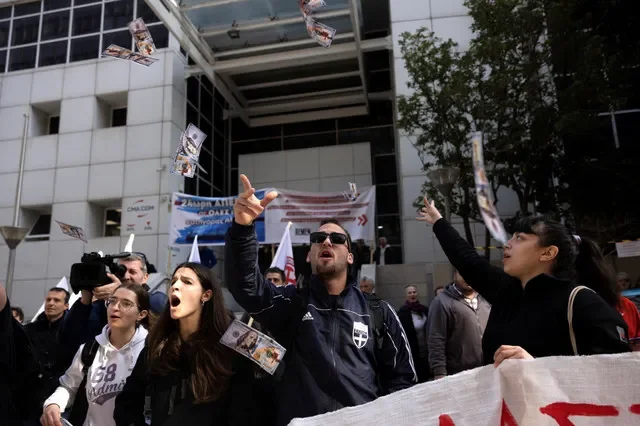
The PNO union, which led the walkout, has demanded the immediate evacuation of all seafarers from the conflict zone regardless of their nationality. Protests in Athens and Piraeus saw activists rallying outside the shipowners' union and the shipping ministry, with some spray-painting slogans against the sacrifice of lives for profit. Apostolis Kypraios, head of the marine engineers union PEMEN, highlighted the dire conditions facing those trapped on board, including potential shortages of food and essential supplies.
The government and shipowners are responsible for the people trapped in war areas.
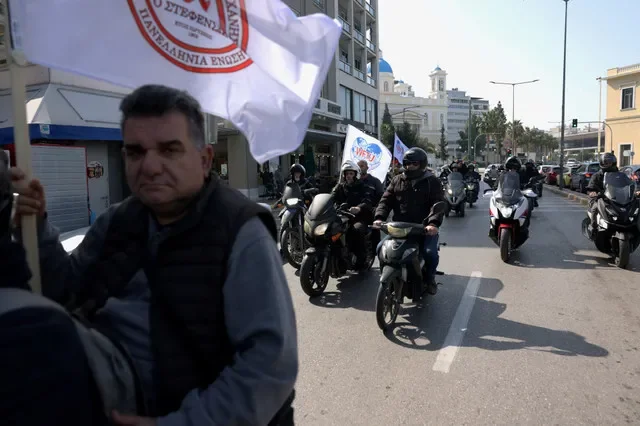
Kypraios further emphasized the emotional toll on the families of those at sea, demanding that a solution be found for their safe return. The strike effectively halted local ferry services, underscoring the domestic impact of the international maritime crisis.