Greece to Provide 100 Million Euros in Yearly Energy Aid
Greece will provide 100 million euros annually over five years to help businesses manage energy costs. The plan includes EU aid for industrial energy savings.

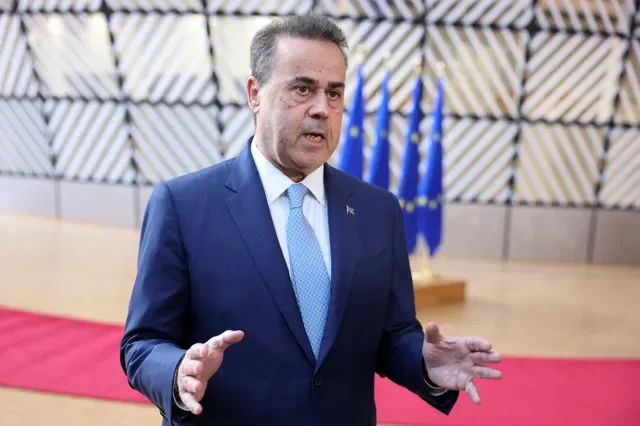
Greece has announced a multi-year financial assistance program designed to shield its industrial base from volatile energy prices. Energy Minister Stavros Papastavrou confirmed on Monday that the government will allocate 100 million euros annually over the next five years to support both large-scale industries and smaller enterprises.
The initiative is bolstered by an additional 200 million euros sourced from the European Union's Modernisation Fund. These specific subsidies will be directed toward companies in the iron, wood, cement, and aluminum sectors, as well as those involved with Copper, provided they implement investment strategies focused on energy efficiency.
"Its a substantial package of actions to boost competitiveness," Papastavrou said in a televised statement.
The minister noted that the government remains highly attentive to the ongoing geopolitical tensions in the Middle East, which pose a significant risk to energy costs. Because the nation relies heavily on imports of Brent Crude Oil and other energy products from that region, officials are closely monitoring the situation.
"We remain on alert, as its obvious that the intensity and size of the Middle East crisis affects us all."
While Papastavrou assured that energy supplies are secure for the coming months, he cautioned that market stability remains contingent on unpredictable international developments. This new funding follows a separate 300 million euro package launched last month to provide relief for farmers and consumers through fuel and fertilizer subsidies. To further protect the economy, the government has also extended a cap on profit margins for fuel and essential supermarket goods through the end of June.