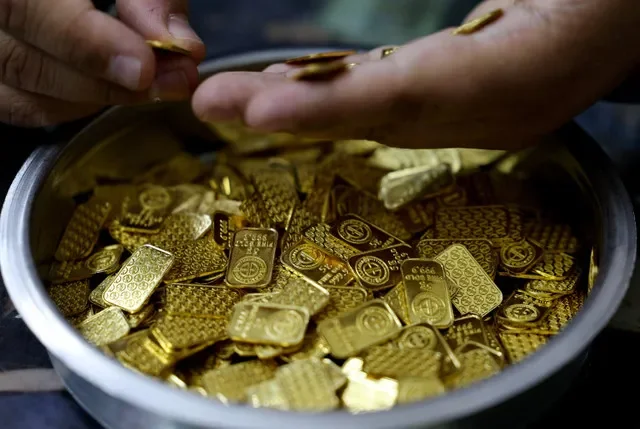
Gold prices are reacting to the Middle East headlines in the short term with hopes that the two countries will engage in talks, said Marex analyst Edward Meir.
Despite the slight decline, gold remains up 1.6% for the week. Analysts suggest that the market remains sensitive to the outcome of these diplomatic efforts and the potential for a shift in current geopolitical patterns.
If things fall apart again, we can revert to the pre-ceasefire pattern of lower gold, a stronger dollar and lower equity prices, said Meir.
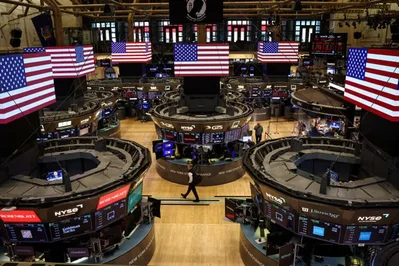
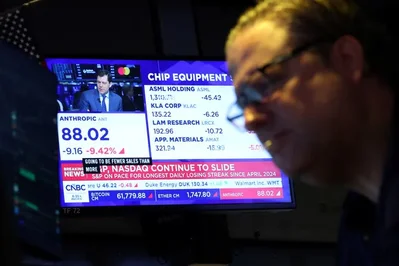
The geopolitical shift also impacted energy and equity markets. Hopes for a resolution led to a surge in stocks, while energy benchmarks Brent Crude Oil and West Texas Oil moved lower. U.S. President Donald Trump indicated that talks could potentially resume in Pakistan within the coming days, following the breakdown of previous negotiations and the subsequent maritime blockade by American forces.
Monetary policy expectations are also shifting. Traders now estimate a 30% probability of a 25-basis-point interest rate cut by the Federal Reserve this year, a significant increase from the 13% chance seen last week. Analysts at OCBC noted that while precious metals rallied recently, the current market sentiment appears more focused on risk-on positioning rather than defensive strategies.
In other precious metals, Silver climbed 0.8% to $80.15 per ounce, and Platinum rose 1.1% to $2,126.14. Conversely, Palladium saw a marginal decline of 0.1%, trading at $1,585.60.