Global Trade Patterns Shift as Nations Diversify to Counter United States Tariff Policy
Major economies are restructuring trade relationships to reduce U.S. dependence. New bilateral deals and cargo shifts indicate a real-time global realignment.
洞察:
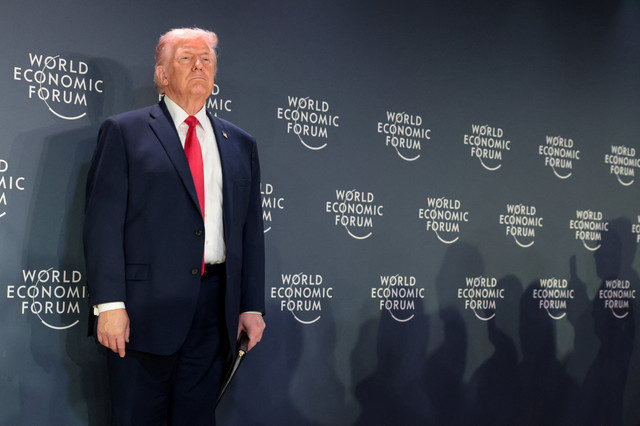
The World Economic Forum  CHmeeting in Davos has become the primary stage for a structural realignment of global commerce as trading nations move to reduce their reliance on the United States
  US. This shift follows a period of heightened trade friction led by President Donald Trump donald trump, who threatened new tariffs on European Union
  EUallies over Greenland policy last weekend. Although Donald Trumpstepped back from those threats on Wednesday after announcing a deal framework with NATO over the Arctic island, the incident has accelerated efforts by international partners to seek alternative commercial stability.
CHmeeting in Davos has become the primary stage for a structural realignment of global commerce as trading nations move to reduce their reliance on the United States US. This shift follows a period of heightened trade friction led by President Donald Trump donald trump, who threatened new tariffs on European Union EUallies over Greenland policy last weekend. Although Donald Trumpstepped back from those threats on Wednesday after announcing a deal framework with NATO over the Arctic island, the incident has accelerated efforts by international partners to seek alternative commercial stability.