Global Stocks Fall as Oil Prices Rise Amid Regional Conflict
Global stocks fell on Wednesday as oil prices climbed nearly 5 percent. Treasury yields rose as inflation data met forecasts while supply risks remain high.

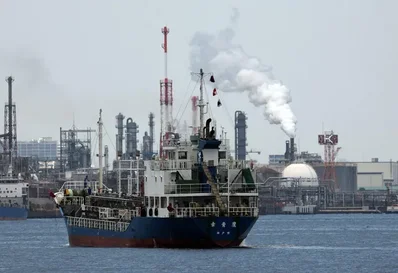
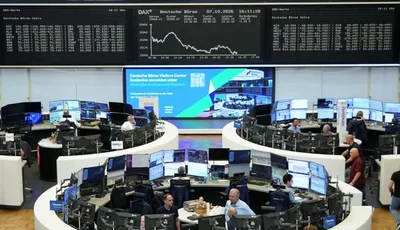
Global equity markets faced downward pressure on Wednesday as benchmark Treasury yields climbed significantly. The market reaction followed data from the United States indicating that inflation rose as anticipated, while the escalating conflict between Israel and Iran pushed oil prices higher. The Labor Department reported that the consumer price index (CPI) increased by 0.3% in February, up from 0.2% in the previous month. On an annual basis, the CPI reached 2.4%, with the core rate—which excludes volatile food and energy costs—rising to 2.5%. While these figures met analyst expectations, they did not account for the sharp rise in energy costs following the outbreak of hostilities in the Middle East. > Februarys inflation numbers were heading in the right direction, but then along came the conflict in the Middle East and now the path is changing. Brian Jacobsen, chief economist at Annex Wealth Management, suggested that the market is now bracing for inflation rather than deflation in the energy sector. Oil prices surged nearly 5% on Wednesday due to fears of supply disruptions. Brent futures settled at $91.98 per barrel, while West Texas Intermediate rose to $87.25. Analysts remain skeptical that proposed releases of oil reserves will be sufficient to stabilize the market. Major stock indices in New York finished the day mostly lower. The Dow Jones Industrial Average dropped 0.6%, while the S&P 500 and Nasdaq Composite remained largely unchanged. Globally, the MSCI All-World index fell 0.2%, and the European STOXX 600 slipped 0.6%. In contrast, the MSCI Asia-Pacific index outside Japan rose by 1%. The security of the Strait of Hormuz remains a primary concern for investors, as the waterway handles roughly one-fifth of the world's fuel supply. Following reports of projectile strikes on three vessels, Iranian military officials warned that global oil prices could reach $200 per barrel. In response to the volatility, European Central Bank President Christine Lagarde reaffirmed the bank's commitment to price stability. > The ECB would do everything to keep inflation under control and to avoid a repeat of the 2022 energy price shock. In the fixed-income market, the yield on the 10-year U.S. Treasury note rose 9 basis points to 4.226%. This surge has heightened anxieties regarding potential overheating in sectors like private credit and large-scale investments in artificial intelligence. JPMorgan Chase & Co. has reportedly begun marking down the value of certain private-credit loans and tightening its lending criteria for the sector. These developments weighed on major asset managers, with Blue Owl Capital Inc. and Ares Management Corporation both seeing their share prices decline. In currency markets, the dollar strengthened, pushing the euro down to $1.157 and the yen to 158.9.