
Markets Rise as Middle East De-escalation Hopes Grow
Global shares rose Friday as investors eyed upcoming US and Iran talks. Asian markets saw their best week since 2022 on hopes for Middle East de-escalation.

Global equity markets trended higher on Friday as investors anticipated high-level diplomatic talks between the United States and Iran. Sentiment was further lifted by reports that Israel is seeking negotiations with Lebanon, sparking optimism for a reduction in regional tensions and the potential reopening of the Strait of Hormuz.
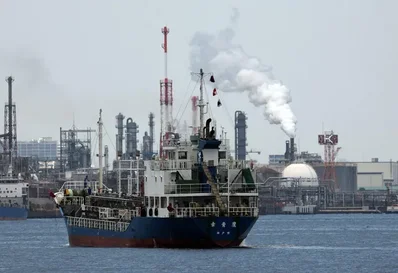
Delegations from Tehran and Washington are prepared to convene in Pakistan this Saturday. The talks are critical for global energy security, as Iran has previously linked the reopening of the strait—a passage for 20% of the world's energy supply—to a ceasefire agreement. In the United Kingdom, market analysts observed a notable decline in financial stress leading up to the weekend.
"For markets at least, the financial stress has continued to ease before the weekend talks."
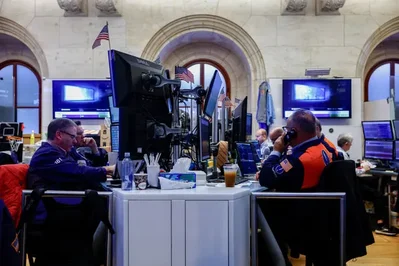
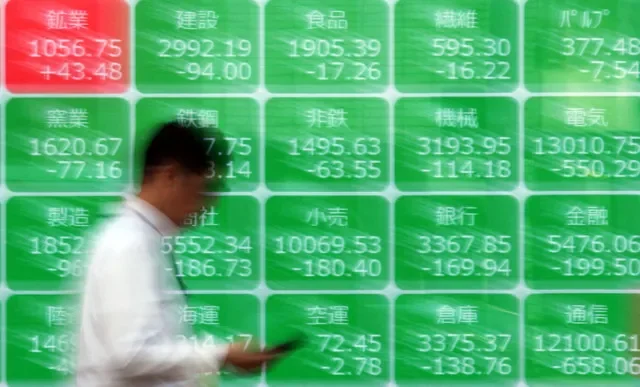
The pan-European STOXX index rose 0.3% in early trading, while the broadest index of Asia-Pacific shares from MSCI INC gained 0.9%. This surge marked the Asian index's most significant weekly advance since late 2022. In North America, the SPDR S&P 500 ETF TRUST maintained its momentum after a 0.6% gain on Thursday, representing its seventh consecutive day of growth.
Rupal Agarwal, a strategist based in Singapore, suggested that the current geopolitical shifts might signal a pivot for global markets.
"We believe this could be the beginning of the end of the war, and that presents an opportunity for investors to focus on pre-war trends and fundamentals."
Despite the general optimism in equities, the energy sector remained cautious. Brent Crude Oil edged up 1.8% to $97.67 per barrel, though it remains on track for a 10% decline over the week. The Strait of Hormuz continues to see restricted traffic, with volumes remaining below 10% of their usual levels. U.S. President Donald Trump expressed dissatisfaction with the current situation via social media.
"That is not the agreement we have!"
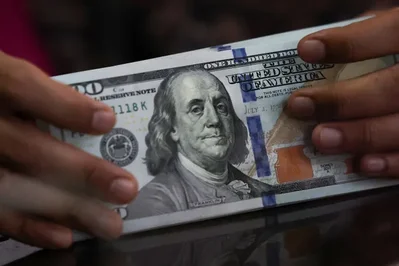
In currency markets, the EUR/USD pair saw the euro trade at $1.167, holding above its 200-day moving average despite a slight daily dip. The U.S. dollar index is currently on pace for its weakest weekly performance since the start of the year. Meanwhile, economic data from China showed factory-gate prices rising for the first time in three and a half years, indicating that regional conflicts are beginning to impact global cost structures.
In the bond markets, benchmark yields in Germany were positioned for a weekly increase, while the U.S. 10-year Treasury bond yield rose slightly to 4.295%. Investors now await upcoming U.S. inflation data to gauge the broader economic impact of the Middle East conflict.