Global airlines face fuel crisis following Iran conflict
Major carriers including Qantas and Lufthansa report rising costs and potential flight groundings. Jet fuel prices have doubled due to the Iran conflict.

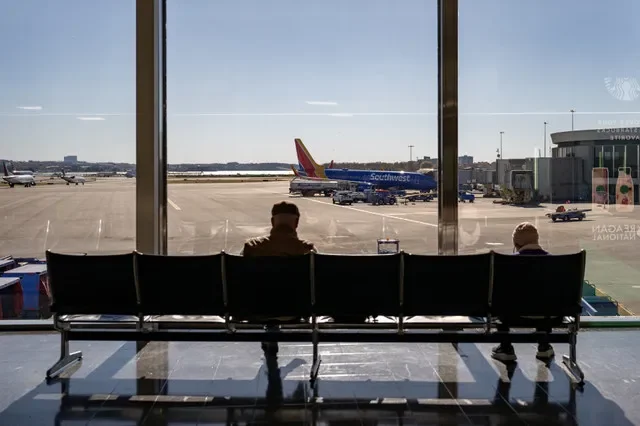
The global aviation sector is facing its most severe crisis in years as the conflict in Iran disrupts fuel supplies and drives up operational costs. Airlines across the globe are sounding the alarm, with some warning of grounded fleets and others implementing emergency financial measures to navigate the supply crunch.
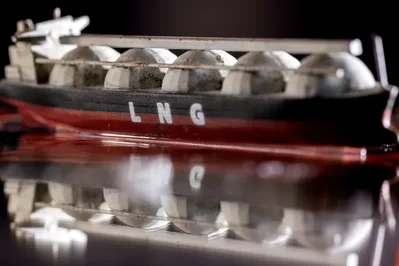
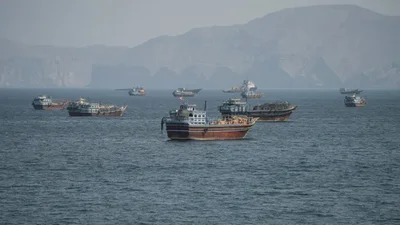
The turmoil escalated following military strikes by the United States and Israel on Iranian targets in late February. The subsequent closure of the Strait of Hormuz has removed roughly one-fifth of global oil and liquefied natural gas supplies from the market. While crude benchmarks like Brent Crude Oil and West Texas Oil have seen significant price increases, the cost of jet kerosene has more than doubled, far outstripping the rise in raw crude.
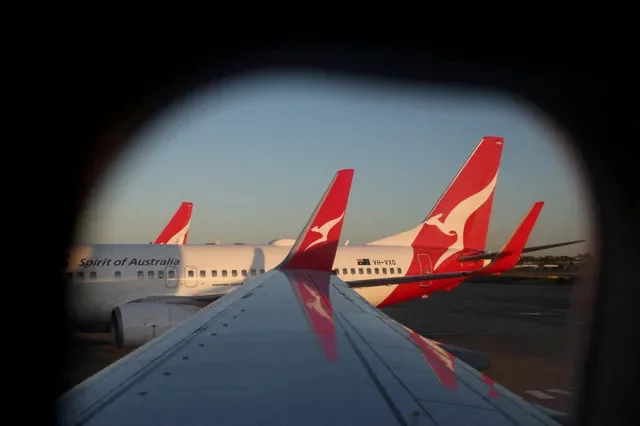
QANTAS AIRWAYS LTD became one of the first major carriers to stall shareholder returns, delaying a planned share buyback due to fuel price volatility. The airline, representing Australia, is also raising fares and shifting capacity to high-demand European routes to mitigate the impact.
In Germany, DEUTSCHE LUFTHANSA-REG CEO Carsten Spohr warned that kerosene availability is reaching critical levels at several international airports, particularly in Asia. Spohr indicated that the airline might be forced to ground between 20 and 40 older, less fuel-efficient aircraft if conditions do not improve.
"Kerosene will remain in short supply and therefore more expensive for the rest of the year."
The crisis is also being felt in South Korea, where TWAY AIR CO LTD has reportedly initiated plans to furlough cabin crew members without pay. Meanwhile, in North America, DELTA AIR LINES INC projected that its fuel expenses for the current quarter would increase by $2 billion compared to the previous year.
Industry analysts suggest the sustained pressure could lead to a wave of consolidation. Shortly before the strikes in the Middle East, UNITED AIRLINES HOLDINGS INC CEO Scott Kirby reportedly explored the possibility of a merger with AMERICAN AIRLINES GROUP INC.
European carriers are now calling on Brussels to implement emergency measures, such as a temporary suspension of the carbon market for aviation and the creation of a centralized EU-level kerosene purchasing program. UBS analyst Jarrod Castle noted that the market remains highly unstable despite a recent two-week ceasefire.
"Despite the pause in the conflict we remain concerned about jet kerosene supply and price increase."
With fuel typically accounting for 27% of an airline's operating expenses, the current price surge represents a systemic threat to the industry's post-pandemic recovery.