
Ghana implements new gold royalty regime despite opposition
Ghana will launch a new sliding scale gold royalty regime on Tuesday. The policy replaces a flat rate and faces opposition from major global powers and miners.

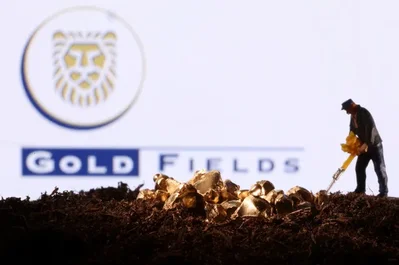
Ghana is set to implement a new sliding-scale gold royalty regime on Tuesday, moving forward with the plan despite significant opposition from international governments and industry leaders. The new policy replaces the previous flat 5% rate, linking state revenue more closely to the rising price of bullion. Under the updated framework, gold miners will contribute 12% in royalties when prices reach $4,500 per ounce, a threshold already surpassed by current market rates. The United States and China joined other Western nations in a rare joint effort to persuade the government to halt the policy, reflecting broader concerns about African nations seeking a greater share of commodity wealth. The regime also impacts other sectors, with lithium royalties moving to a 5-12% sliding scale, affecting future prospects for companies such as Lithium Argentina AG. Isaac Tandoh, CEO of the Minerals Commission, stated that while foreign missions suggested the 12% rate should only apply after gold hits $5,000, the government stood firm. > They met us, they are not against the review in principle. Industry executives from firms like Barrick Gold Corporation have cautioned that the higher royalty rates could deter future investment in the region. The Ghana Chamber of Mines also warned that the move might impact the viability of new projects and overall output. Despite these warnings, Tandoh argued that the sliding scale maintains a balance between state interests and industry margins, asserting that investors prioritize regulatory stability over cost adjustments.