
Former BOJ official warns of economic risks from Iran war
Former official Nobuyasu Atago warns that supply shocks from the Iran war could hurt the economy. He urges the BOJ to focus on liquidity rather than rate hikes.

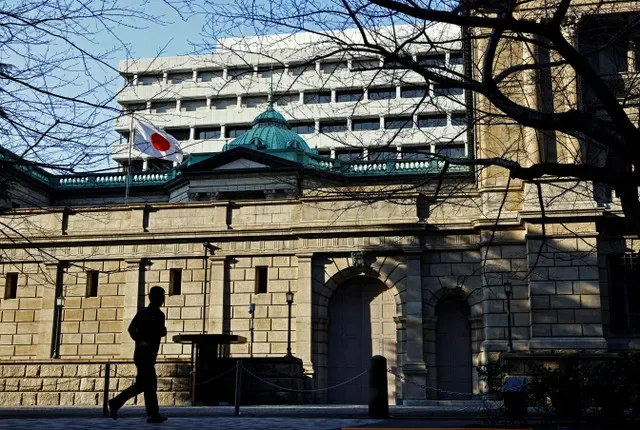
Former central bank official Nobuyasu Atago has warned that Japan may face significant supply shocks and a decline in demand resulting from the conflict in Iran. This risk, he suggests, is being overlooked by the BANK OF JAPAN/THE as it focuses on mounting inflationary pressures. Recent hawkish signals from the central bank have led market participants to price in a high probability of a rate hike in April, spurred by rising costs for Brent Crude Oil and the impact of a weak USD/JPY exchange rate on import prices.
Atago, currently serving as the chief economist at the Rakuten Securities Economic Research Institute, argued that the disruption to the flow of essential goods is a more critical threat than price volatility alone.
Just like a natural disaster, for this crisis one needs to think about a huge disruption to the flow of goods, rather than fretting how high prices might rise.
He further noted that the central bank should prioritize market liquidity over interest rate adjustments if the domestic economy begins to falter.
What the BOJ needs to contemplate is not whether to raise rates in April, but how to pump liquidity into the market in case the economy tanks and threatens to push some firms under.
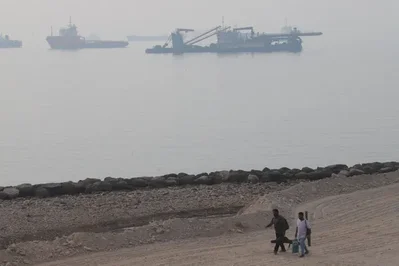
The geopolitical situation has worsened following the conflict involving the United States and Israel, which has disrupted the Strait of Hormuz. This passage is vital for approximately 20% of global oil and gas flows. A specific concern for the Japanese economy is the potential shortage of naphtha, a byproduct of oil refining essential for the petrochemical industry and the production of plastics and synthetic fibers.
Atago warned that while current government data suggests a rise in manufacturing output, these estimates likely fail to account for the war's impact. He cautioned that Japan could experience stagflation this summer, characterized by simultaneous price spikes and economic contraction. Any government restrictions on fuel consumption could also dampen demand during the peak travel season starting in May.
In times like this, policymakers need to listen to companies and people on the ground.
But thats not something an institution like the BOJ, made up of economists accustomed to looking at macro data, is very good at.
The Bank of Japan is expected to release a report on regional economies soon, which may reflect data gathered from petrochemical operators. However, Atago remains skeptical that this information will alter the current hawkish stance of policymakers.