European shares decline amid US-Iran tension and weak data
The STOXX 600 fell 0.9% as US-Iran tensions and weak German morale weighed on markets. Defense and healthcare stocks led the declines in Tuesday trading.

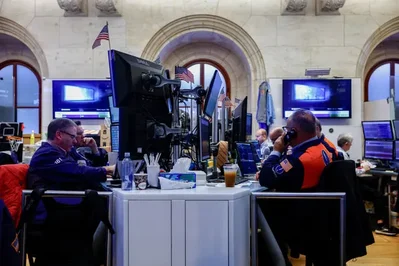
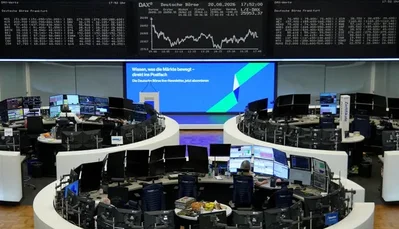
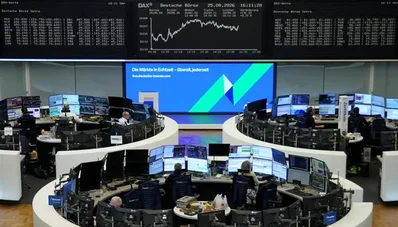
European equity markets retreated on Tuesday as geopolitical uncertainty surrounding the United States and Iran dampened investor appetite. The pan-European STOXX 600 index ended the session down 0.9%, closing at 616.03 points, as a looming ceasefire deadline heightened caution across global trading floors. Negotiations remained precarious as President Donald Trump indicated a reluctance to extend the current ceasefire, stating that the American military was prepared to act should diplomatic efforts fail. Meanwhile, Pakistan reported it was still awaiting confirmation regarding the attendance of an Iranian delegation for scheduled peace talks in Islamabad. Major regional indices reflected the broader decline. In France, the CAC 40 dropped 1.1%, while the FTSE 100 in the United Kingdom saw an identical loss. Germany witnessed its DAX index dip 0.6% following reports from the ZEW economic research institute that investor morale in the country has hit its lowest level in over three years. The aerospace and defense sector experienced the most significant pressure, falling 4.8% in its sharpest one-day decline since early 2025. THALES SA led the downturn with a 6% drop after its first-quarter sales figures fell short of market expectations. Other major industry players also suffered, with SAFRAN SA and ROLLS-ROYCE HOLDINGS PLC both sliding more than 6.5%. In contrast, the energy sector managed a modest gain of 0.4%, bolstered by a 3% surge in the price of Brent Crude Oil. Despite this, concerns regarding potential supply chain disruptions and rising inflation persisted. Chris Beauchamp, chief market analyst at IG Group, noted the potential impact on monetary policy: > I think European markets are likely to see a bigger bump in inflation, which will probably lead to rate hikes from the ECB. Healthcare stocks also faced headwinds, dragging the sector down by 2%. Denmark based pharmaceutical giant NOVO NORDISK A/S-B fell 4.2%, while ASTRAZENECA PLC and GSK PLC-SPON ADR each recorded losses exceeding 2.5%. Further market volatility was seen in the food and beverage sector, which declined 1.8%. This was largely driven by a 24.8% plunge in shares of ROYAL UNIBREW after the company announced the termination of its northern European partnership with PEPSICO INC. Despite the current downturn, some market strategists suggested that the valuation gap between European and American equities might present long-term benefits. Eric Parnell, chief market strategist at GVA Wealth Management, highlighted the potential for selective investment: > For those investors who are willing to take the time and actively manage their European exposure, there are intriguing opportunities, not only from a value perspective but also in certain areas and in certain pockets on a growth perspective as well. Investors are now looking ahead to the European Central Bank's meeting next week. Current LSEG data indicates an 84% probability that interest rates will remain unchanged as policymakers navigate the complex balance of geopolitical risk and economic stability.