European Gasoline Cargoes Head to Asia Amid Supply Fears
European and U.S. gasoline cargoes are heading to Asia as regional supply tightens due to war. Asian refinery margins have reached near-record high levels.

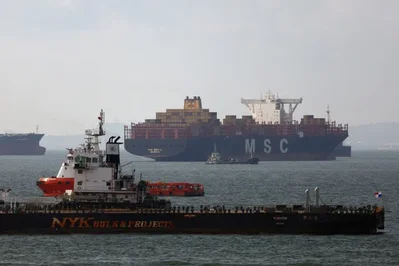
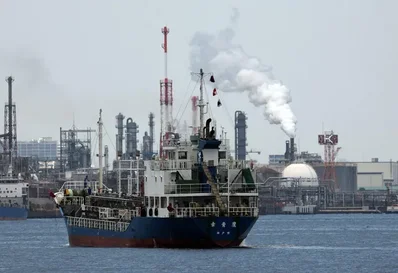
Gasoline shipments from Europe and the United States are increasingly being diverted toward the Asia Pacific region. This shift comes as Asian fuel prices surge amid tightening supplies, largely driven by the ongoing conflict between Israel and Iran. The war has significantly disrupted the movement of crude and oil products from the Middle East to Asian markets, prompting regional refineries to scale back production and forcing distributors to source fuel from as far away as the West or increase purchases of Russia fuel. The resulting increase in shipping costs is expected to further strain consumers and businesses already facing high prices.
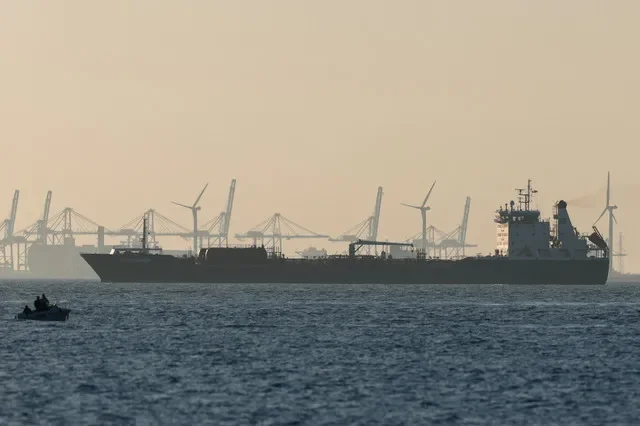
According to trade sources and shipping data from Kpler, at least three gasoline cargoes totaling approximately 1.6 million barrels were loaded in Europe last week for delivery to Asia. Major trading entities, including Vitol and TotalEnergies SE, are moving these volumes to capitalize on the superior profit margins currently available in the East. Additionally, Exxon Mobil Corporation has reportedly booked American gasoline cargoes for delivery to Australia.
The financial incentive for these long-distance shipments is clear. The profit refiners earn from processing a barrel of Brent Crude Oil into gasoline in Asia reached nearly $37 last week. This is a dramatic increase compared to the $8 margin recorded before the outbreak of hostilities, nearing the record highs seen in 2022. One key driver is the change in refinery behavior due to feedstock uncertainty.
As disruptions around the Strait of Hormuz increase feedstock risk, some refiners are becoming more cautious about run rates or export commitments.
Nithin Prakash, an analyst at consultancy Rystad Energy, noted that while current inventories might seem adequate, the prospect of lower refining throughput could further tighten the supply outlook and support high gasoline margins. In Singapore, data from LSEG shows that inventories of light distillates, which include gasoline and naphtha, are currently about 6% higher than last year, totaling 17.93 million barrels.
However, regional supply from traditional exporters is falling sharply. Shipments from South Korea are projected to drop to between 5 million and 6 million barrels in March, a significant decrease from the three-month average of 10 million barrels. China has implemented a ban on fuel exports to prioritize its domestic market, a move echoed by Thailand and Vietnam.
Market participants are now focusing on India, the region's second-largest fuel exporter. While India typically directs about 40% of its 7 million to 8 million monthly barrels to the Middle East, there is potential for a pivot toward East Asian markets. Despite this, Indian gasoline exports have also faced a downturn, falling to between 5 million and 6 million barrels in March from 12 million barrels the previous month, as the state-run Mangalore Refinery and Petrochemicals temporarily suspended cargo loadings.