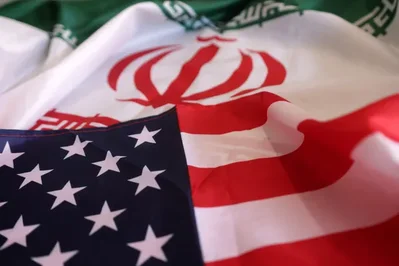
EU weighs 2022 energy crisis measures amid Iran war
EU officials may revive 2022 energy crisis measures to counter market volatility. The plans include price caps and tax cuts to address rising fuel costs.

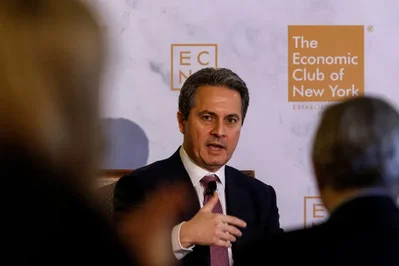
The European Union is considering the reintroduction of emergency energy measures originally implemented in 2022 when Russia significantly reduced gas exports. This potential policy shift follows market disruptions linked to the conflict in Iran. European Union Energy Commissioner Dan Jorgensen stated that the bloc is preparing various options to address the uncertainty of the current situation.
"We dont know how long this crisis will last. And since we dont know how deep it will be, we are also preparing different opportunities and possibilities that look more like the ones we used under the crisis in 2022,"
The proposed measures include capping gas prices and taxing the windfall profits of energy companies. Since the start of the conflict involving the United States and Israel on February 28, European gas prices have increased by more than 70%. While the closure of the Strait of Hormuz has not yet directly impacted the supply of crude oil or natural gas to the European Union, the region remains vulnerable to global price fluctuations.
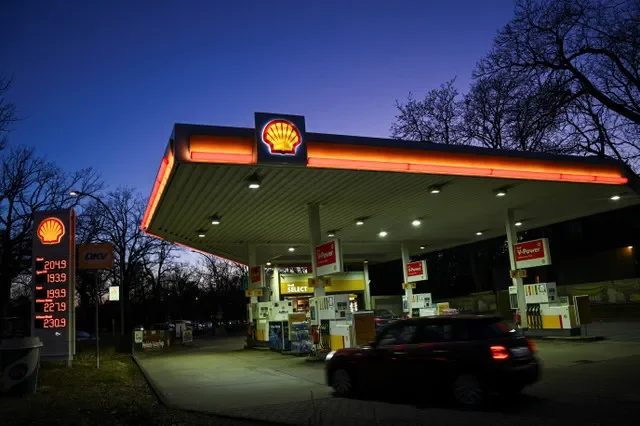
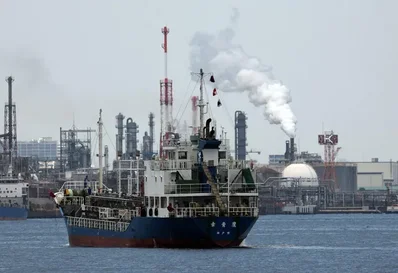
The volatility is affecting a wide range of industry participants. Companies such as Natural Gas Services Group, Inc. and Fuel Tech, Inc. are monitoring the regulatory landscape as the bloc seeks to curb grid tariffs. Additionally, the logistics of energy transport remain a concern for firms like Akasaka Diesels Limited and S-Oil Corporation as shipping routes are threatened. Jorgensen expressed specific concern regarding the supply of refined petroleum products, particularly jet fuel and diesel. Although stockpiles are estimated to cover three months of demand, localized shortages are possible.
"It will not be short, because even if there was a peace tomorrow, there will still be consequences, because energy infrastructure in the region has been ruined by war,"
To maintain supply levels, the Commission has requested that governments delay non-emergency refinery maintenance. This strategy aims to keep oil products flowing as the continent navigates the long-term consequences of damaged energy infrastructure in the Middle East.