Ecuador Lawmakers Approve Reforms to Boost Mining Sector
Ecuador approved reforms to streamline mining permits and attract investment. The plan includes military protection for sites but faces indigenous opposition.

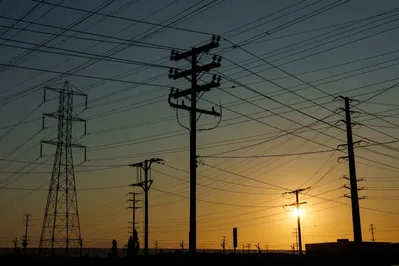
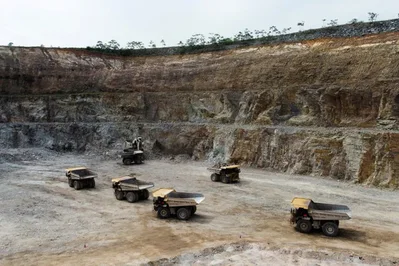
The National Assembly of Ecuador has approved a legislative package proposed by President Daniel Noboa designed to stimulate the mining industry and simplify regulatory hurdles. The reforms, which passed on Thursday with 77 votes in favor and 70 against, represent a significant shift in how the South American nation manages its natural resources. A primary component of the legislation is the overhaul of environmental permitting. The previous singular licensing requirement has been replaced by a tiered environmental authorization system. Under this new structure, projects are classified by risk levels into three categories: a full environmental license, an environmental registry, or an environmental certificate. Government officials stated that the latter two options are intended to provide a faster track for lower-impact projects, addressing the bureaucratic delays that have long deterred international investors. The reform also addresses security concerns within the sector by creating protected mining zones. These areas will see the deployment of military forces to protect legitimate operations from illegal mining and the influence of criminal gangs. Environment and Energy Minister Ines Manzano reported that authorities have identified roughly 400 illegal mining sites throughout the country. Additionally, the new laws provide a framework to formalize small-scale artisanal miners. Despite the government's focus on economic growth, the measures have faced intense criticism from environmentalists and indigenous groups. Critics argue that the streamlined permitting process effectively weakens state oversight and threatens the constitutional rights of local communities to prior consultation. The indigenous organization Ecuarunari expressed its opposition to the legislative direction prior to the final vote. > They want to legislate in favor of large transnational mining companies and against the country, especially against the environment and the rights of communities. While the nation holds significant mineral wealth, large-scale development has been limited by legal challenges and local opposition. Currently, only two major sites are in production: the Fruta del Norte gold mine and the Mirador copper mine, both of which began operations in 2019. Beyond mining, the approved reforms also include measures to facilitate private investment in the national electricity sector.