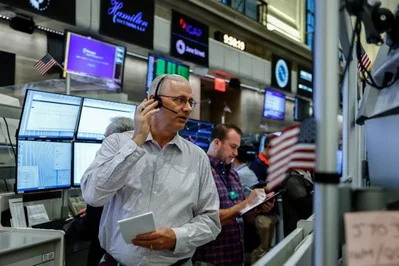
The Chief Executive of DEUTSCHE BOERSE AG, Stephan Leithner, has issued a cautionary message regarding the global trend toward 24/7 stock trading. While financial hubs in the United States move closer to around-the-clock operations, Leithner warns that such a shift could inadvertently harm market stability by fragmenting liquidity.
Deutsche Boerse CEO Warns Against 24/7 Trading
Stephan Leithner argues that round-the-clock trading may fragment markets and hurt efficiency. He notes that major investors prefer concentrated liquidity windows.
洞察:
Xurve View
As digital assets and cryptocurrencies continue to operate without traditional closing bells, legacy exchanges are feeling the pressure to adapt. NASDAQ INC recently applied for regulatory approval to extend its weekday trading to 23 hours, and CME GROUP INC is preparing to launch continuous trading for crypto-based derivatives. However, the leadership at the Germany based exchange operator argues that institutional investors prefer concentrated periods of high activity to ensure efficient price discovery.
We need to really stay focused to not fragment liquidity, also from a timing perspective.
Leithner emphasized that major asset managers are unlikely to seek active trading windows during off-peak times, such as weekend evenings, because they require deep, accumulated liquidity to execute large orders effectively. While Deutsche Boerse currently offers extended hours for retail investors through its XETRA platform until 10 p.m., the CEO remains skeptical of a full transition to a 24/7 model for the broader market.
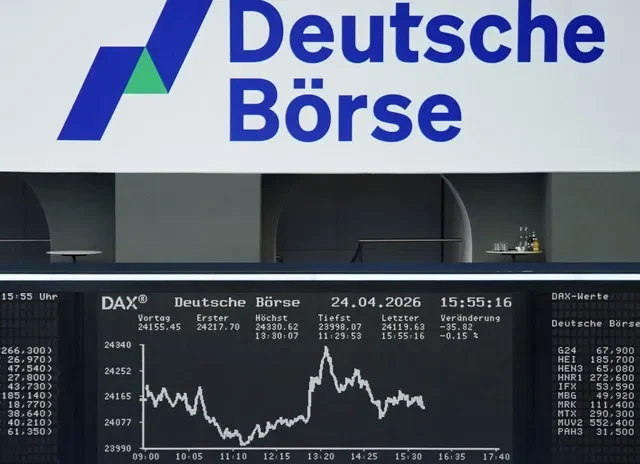
Beyond the debate over trading hours, European financial leaders are focused on consolidating the region's fragmented market landscape. Leithner noted that European equity trading is currently spread across approximately 500 venues, though only 35 of these are regulated exchanges. This fragmentation has contributed to Europe's declining share of global equity trading, which has dropped from 55% to less than 30% over the last two decades.
We need to bring back the liquidity from the others to the transparent venues.
Other major players, such as the LONDON STOCK EXCHANGE GROUP, are also monitoring the situation. The group stated that any adjustments to its current operating hours would only occur following extensive consultation with market participants to ensure the needs of both companies and investors are met. For now, the consensus among many European traditionalists remains that concentrated liquidity serves the market better than constant, thin trading volumes.