Croatia Reviews Legal Status of Russian Oil Imports
Croatia is reviewing the legality of importing Russian crude to supply Hungary and Slovakia. This follows damage to the Druzhba pipeline that halted flows.

The government of Croatia[Country:{ \"assets\":{ \"country\":\"HR\" } }] is currently evaluating the legal feasibility of importing seaborne crude oil from Russia[Country:{ \"assets\":{ \"country\":\"RU\" } }] to supply Hungary[Country:{ \"assets\":{ \"country\":\"HU\" } }] and Slovakia[Country:{ \"assets\":{ \"country\":\"SK\" } }]. This assessment follows a significant disruption in the Druzhba pipeline, a critical energy artery that has served the region since the 1960s. The pipeline's operation was halted on January 27 due to damage in Ukraine[Country:{ \"assets\":{ \"country\":\"UA\" } }], which Kyiv has attributed to a drone strike.
A spokesperson for the European Commission confirmed that Croatian authorities are investigating whether such imports would comply with existing sanctions imposed by the European Union and the United States[Country:{ \"assets\":{ \"country\":\"US\" } }]. While the Croatian government has not yet issued a formal statement, it has previously indicated that the Adria pipeline has the capacity to handle increased oil volumes, though it suggested these supplies do not necessarily need to be Russian.
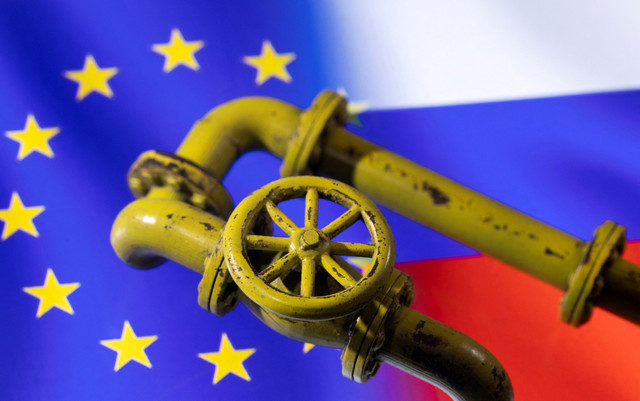
In response to the supply halt, Hungary’s MOL Group has already begun securing alternative cargoes of non-Russian crude to be transported via the Adria pipeline. Croatian Economy Minister Ante Susnjar emphasized the reliability of this alternative route in a recent public statement.
\"Non-Russian oil is currently flowing normally through our system toward Hungary and Slovakia. It’s not a supplementary option; it’s an operational reality, and it means that our friends and allies in Hungary and Slovakia have a secure and reliable route of supply.\"
The energy disruption has exacerbated political tensions within the region. Slovakia and Hungary have accused Ukraine of deliberately stalling repairs to the Druzhba pipeline for political purposes. This friction led Hungary to veto new EU sanctions on Russia and block a proposed loan for Kyiv, challenging the European consensus as the fourth anniversary of the conflict approaches.
Ukraine has maintained that it is making every effort to repair the damaged infrastructure. In a letter to the European Commission, the Ukrainian mission suggested utilizing the Odesa-Brody pipeline as an alternative transport route. The Commission is currently assessing this proposal, though officials noted it may serve as a medium-term solution rather than an immediate fix for the current supply challenges.