StepFun Unwinds Offshore Structure for Hong Kong IPO
StepFun is unwinding its offshore structure to prepare for a Hong Kong IPO following new Beijing regulations. The move aligns with its state-backed status.

The artificial intelligence startup StepFun is reportedly unwinding its offshore corporate structure to facilitate a planned initial public offering in Hong Kong, according to sources familiar with the matter. This strategic adjustment follows recent directives from regulators in China who have increased scrutiny on red-chip companies—entities registered in offshore jurisdictions like the Cayman Islands while maintaining their primary operations and assets within the mainland. Experts suggest that such restructuring is becoming necessary for firms heavily backed by state capital to ensure compliance with tightening domestic oversight.

Founded in April 2023 by Jiang Daxin, a former vice president at MICROSOFT CORP, StepFun has quickly established itself as a leader in developing large-language foundation models. The company’s investor base includes investment vehicles from the Shanghai government, Qiming Venture Partners, and the technology giant TENCENT HOLDINGS LTD. Recent reports indicate the firm is seeking to raise up to 3 billion yuan in a pre-IPO funding round, targeting a valuation of $6 billion, with plans to file for its Hong Kong debut by the end of June at a $10 billion valuation.
StepFun has already integrated its technology into the consumer market through partnerships with major brands, including the automotive manufacturer GEELY AUTOMOBILE HOLDINGS LT and the smartphone maker OPPO. Its Step 3.5 Flash model has consistently ranked among the top AI agents on popular platforms. The company recently strengthened its leadership by appointing Yin Qi, the founder of Megvii Technology, as president to enhance its core management team.
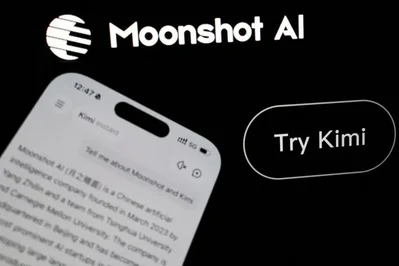
The trend of dismantling offshore structures is gaining momentum among other Chinese tech startups. Moonshot, the developer of the popular Kimi model, is also reportedly considering a similar transition as it seeks to raise $1 billion at an $18 billion valuation. As the Hong Kong stock exchange sees a surge in applications from AI and semiconductor firms, the shift toward onshore domiciles reflects a strategic alignment with the evolving regulatory landscape in China.