China calls for Gulf peace and Southeast Asia energy aid
China called for an end to Gulf military operations to protect waterways. Beijing also offered to help Southeast Asian nations manage regional energy shortages.

China has called for an immediate end to conflict in the Gulf, asserting that the safety of vital international waterways must be preserved. As the global energy landscape faces volatility due to the ongoing war involving the United_States and Israel against Iran, Beijing is positioning itself as a stabilizing force and offering assistance to Southeast Asian nations struggling with fuel shortages.
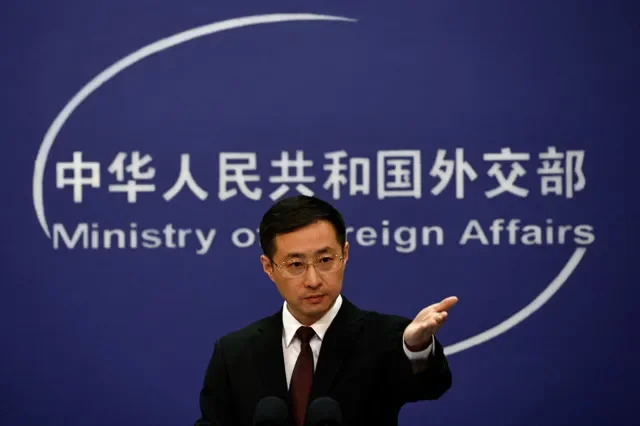
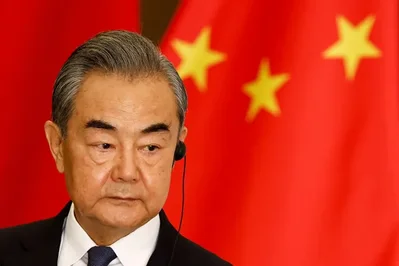
Foreign ministry spokesperson Lin Jian stated that the situation in the Middle East has significantly disrupted global energy security. He urged involved parties to prioritize regional stability to protect the global economy.
The countries involved should immediately cease military operations to prevent regional instability from having a greater impact on global economic development.
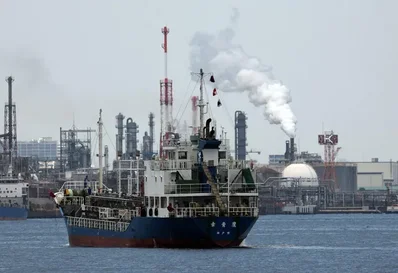
The energy crunch has put pressure on regional importers and service providers such as Natural_Gas_Services_Group,_Inc.. While China has recently restricted exports of refined products to protect its domestic market, it remains open to strengthening coordination with its neighbors. This environment has also impacted major regional players like S-Oil_Corporation, which must navigate the shifting supply dynamics caused by Beijing's export curbs on diesel and gasoline.
Strategic analysts believe the current crisis provides an opportunity for China to deepen ties in regions where it has previously faced challenges. Wang Jin, a senior fellow at the Beijing Club for International Dialogue, suggested that the potential closure of the Strait of Hormuz emphasizes the strategic value of renewable energy and nuclear power. This transition toward sustainable infrastructure is expected to drive interest in firms like Enlight_Renewable_Energy_Ltd and NET_Power_Inc..
The Strait of Hormuz’s closure also highlights the relative reliability of renewable energy, compared with reliance on Gulf fossil fuels, including nuclear power and other green energy sectors in which Beijing is a world leader.
Diplomatic efforts are already underway to secure energy partnerships. Philippine Energy Secretary Sharon Garin recently held talks with the Chinese ambassador to the Philippines to discuss bilateral energy cooperation. This meeting represents a pivot toward pragmatic economic engagement, even as the two countries continue to navigate complex maritime disputes in the South China Sea.