
China implements largest fuel price hike in four years
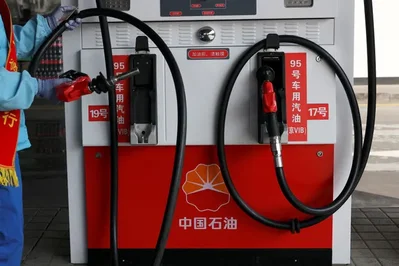
China raised fuel price caps on Monday following a surge in global oil costs. The adjustment is the largest in four years as the Iran war impacts supply.

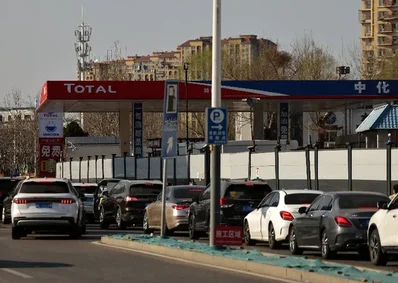
China has implemented its most significant increase to regulated retail gasoline and diesel price ceilings since March 2022. This decision follows a sharp rise in international energy costs triggered by the conflict involving the United States, Israel, and Iran. According to the National Development and Reform Commission, the retail price caps for gasoline and diesel will rise by 695 yuan ($100.46) and 670 yuan ($96.84) per metric ton, respectively, starting Tuesday. The price hike reflects a volatile week for global energy markets. Brent Crude Oil futures surged by 27% last week, while West Texas Intermediate Crude Oil futures increased by 35.6%. These price movements are heavily influenced by the geopolitical tensions in the Middle East, which have already begun to impact global refinery output. At the time of the announcement, the exchange rate for the US Dollar / Chinese Yuan stood at approximately 6.9185. In an effort to stabilize domestic supply, Chinese authorities recently requested that refiners halt fuel exports and attempt to cancel shipments that had already been committed. The state planner reviews retail fuel prices every 10 working days, adjusting them based on international crude trends while accounting for processing costs, taxes, and distribution margins. Under the current mechanism, China allows prices to float between a floor and a ceiling. If international crude prices hit $130 per barrel, retail price increases are typically limited or halted. Conversely, if prices fall to $40 per barrel or below, the retail rates are calculated based on that floor price to preserve processing margins for domestic refiners.