China Producer Prices End 41-Month Decline in March
China's producer prices rose 0.5% in March, ending a 41-month decline as energy costs climbed. Consumer inflation slowed to 1% amid weak domestic demand.

China's factory-gate prices rose for the first time in 41 months this March, indicating that the conflict involving Iran[country:\"IR\" }] is beginning to transmit cost pressures into the global supply chain. The producer price index (PPI) increased by 0.5% compared to the previous year, according to data from the National Bureau of Statistics. This result surpassed market expectations of a 0.4% gain and marked a significant shift after more than three years of continuous deflationary readings.
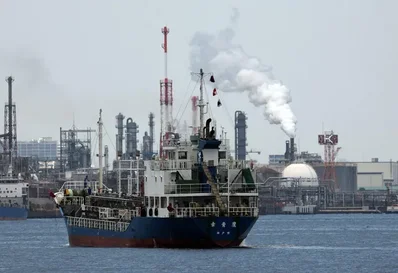
The resurgence of factory-level inflation is largely driven by a sharp increase in energy costs. As geopolitical instability impacts the Middle East, the prices of Brent Crude Oil and West Texas Oil have climbed, affecting a wide range of industrial processes. Energy-intensive sectors were the most heavily impacted, with non-ferrous metal mining and beneficiation prices jumping 36.4%, while smelting and rolling processing costs rose 22.4%.

Economists warn that this \"imported inflation\" creates a difficult environment for domestic firms, potentially squeezing margins, investment, and hiring. With input costs rising, companies face shrinking profit margins if they are unable to pass these expenses to consumers. However, consumer demand remains relatively weak. The consumer price index (CPI) grew by 1% year-on-year in March, a deceleration from the 1.3% rise recorded in February. On a month-to-month basis, consumer prices actually fell by 0.7%, a deeper drop than the 0.2% decline anticipated by analysts.
China needs to juggle rising inflation with growth risks, a central bank adviser said in late March.
The divergence between rising producer costs and cooling consumer inflation presents a dilemma for the central bank. While there has been talk of further monetary easing to support a fragile recovery, persistent headline inflation driven by energy shocks could restrict the scope for aggressive stimulus. This pressure is already visible in the automotive sector, where domestic car sales dropped for the sixth consecutive month in March. Higher fuel prices have dampened demand for petrol-powered models, while electric vehicle sales continue to be affected by the reduction of incentives. To mitigate the immediate impact on the public, China has capped domestic fuel price hikes to cushion the blow of surging global energy costs. Core CPI, which excludes food and fuel, also showed signs of cooling, rising 1.1% compared to 1.8% in February.