
China Lifts Restrictions on BHP Iron Ore Procurement
China has lifted bans on BHP iron ore for domestic mills. The state buyer notified producers they can resume seaborne purchases and port deliveries next week.

China has officially lifted procurement bans on iron ore products from BHP GROUP LTD-SPON ADR, ending a months-long standoff between the world’s largest consumer of the steelmaking ingredient and the mining giant. The state-run buyer, China Mineral Resources Group (CMRG), reportedly notified domestic steel mills on Tuesday that they are now free to resume purchasing seaborne cargoes from the company.

The restrictions, which began last September, targeted specific iron ore varieties including Jimblebar fines, Jinbao fines, and Newman fines. These curbs were implemented while CMRG negotiated supply contracts for 2026, effectively preventing Chinese steelmakers from taking delivery of these specific products at domestic ports. Sources indicate that steel mills will be permitted to receive previously restricted BHP cargoes starting next week.
The lifting of the ban follows a high-level visit to the region by BHP executives last week. During the trip, the team held discussions with officials from China Baowu Steel Group Corp, the global leader in steel production, and the aluminum producer Chinalco. The resolution also coincides with the upcoming transition to a new CEO, Brandon Craig, who is set to take the helm on July 1.
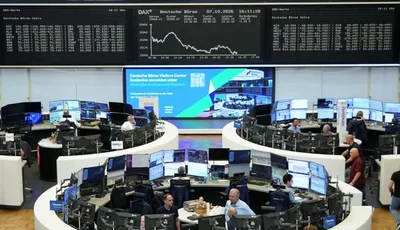
Market reaction was immediate, with benchmark May iron ore on the Singapore Exchange declining 1.48% to settle at $103.1. Prior to this development, the supply restrictions had tightened the spot market, maintaining seaborne prices above the $100 per metric ton threshold despite record-high portside inventories in recent months.
CMRG was established in 2022 with the primary objective of centralizing iron ore procurement for the Chinese steel industry to secure more favorable terms from international miners. While the agency did not provide an official statement regarding the policy change, the move is seen as a significant easing of trade tensions that had previously limited the availability of key raw materials.