China urges end to Middle East war over economic risks
Beijing called for an immediate ceasefire in the Middle East to protect global energy and trade. Officials warned the conflict threatens economic stability.

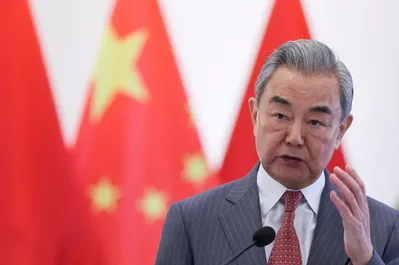
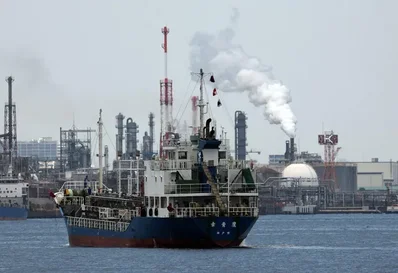
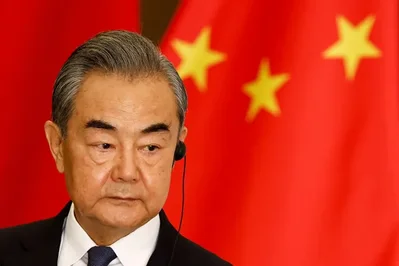
China has issued an urgent call for the cessation of hostilities in the Middle East, warning that the ongoing conflict poses a significant threat to global energy security, international shipping, and trade. Speaking as the region marks the end of the holy month of Ramadan, Foreign Ministry spokesperson Lin Jian emphasized that military force is not a viable solution to complex geopolitical problems. > History and reality have repeatedly shown the world that force is not the solution to problems and armed conflict will only breed new hatred. The spokesperson noted that the widening war harms the collective interests of the international community and reiterated that all parties involved in the Gulf conflict should cease fighting to ensure energy flows remain unimpeded. These remarks coincide with the 23rd anniversary of the invasion of Iraq, which began in 2003 when a coalition led by the United States ousted the previous government. Beijing pointed to that conflict as a reminder of how military intervention can lead to years of instability and the rise of extremist groups. While the current war involving Israel and the U.S. provides an opportunity for Beijing to position itself as a stabilizing global power, the economic risks for the Chinese economy are substantial. Higher energy costs threaten domestic manufacturers and could trigger inflation if the conflict persists. Furthermore, the uncertainty endangers the Belt and Road Initiative, which relies on stable regional corridors to move Chinese goods to markets in North Africa and Europe. The war has also caused a delay of nearly six weeks for a planned meeting between President Xi Jinping and Donald Trump, which was intended to address trade tensions and tariffs between the two economic superpowers. > The still widening war in the Middle East harms the common interests of all countries.