

TSX reaches five-week high as US and Iran agree to truce
The TSX rose 1.2 percent Wednesday as a US-Iran truce sparked a relief rally. Tech and consumer gains offset a drop in energy shares after oil prices fell.

The primary stock market in Canada climbed to a five-week peak on Wednesday as investors reacted positively to a ceasefire agreement between the United States and Iran. The news triggered a broad-based rally, particularly within the technology and consumer discretionary sectors.
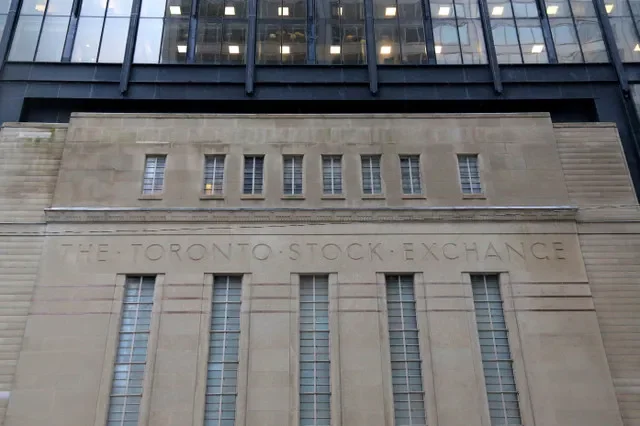
The S&P/TSX Composite Index finished the day up 383.05 points, or 1.2%, at 33,620.57. This marked the highest close for the index since March 4. The easing of tensions in the Middle East provided relief to global markets, raising expectations that oil and gas shipments through the Strait of Hormuz would continue without further disruption.
Michael Dehal, a senior portfolio manager at Dehal Investment Partners at RAYMOND JAMES FINANCIAL INC, noted that the market shift reflected a return to fundamental economic drivers.
Its a big risk-on day today. Its a relief rally.
The focus will be back on corporate earnings and the macro economic backdrop.
The consumer discretionary sector led the market gains with a 3.3% rise. Shares of the apparel company ARITZIA INC-SUBORDINATE VOTI surged 9.5%, while the automotive supplier MAGNA INTERNATIONAL INC saw a 5.5% increase. The technology sector followed with a 2.4% gain, and the financial sector ended the session 1.9% higher.
In the materials group, which rose 2.3%, prices for Gold and Copper moved higher as the U.S. dollar weakened. However, the overall gains for the TSX were tempered by a sharp decline in the energy sector, which fell 4.5%. The price of West Texas Oil dropped significantly, settling 16.4% lower at $94.41 per barrel. Within this sector, VERMILION ENERGY INC saw its shares fall 7.4% after providing updates on asset acquisitions and production levels.
On the economic front, market participants are awaiting the March employment report due this Friday. Economists are forecasting a gain of 15,000 jobs, following a significant loss of 84,000 positions in February. Domestically, the political landscape shifted as an opposition legislator joined the ruling Liberal Party. This move brings Prime Minister Mark Carney closer to a parliamentary majority, potentially facilitating his legislative priorities in infrastructure, defense, housing, and productivity.