
Loonie reaches one-month high as Strait of Hormuz reopens
The Canadian dollar hit a one-month high as Iran reopened the Strait of Hormuz. Investors expect larger oil inventories following a ceasefire in Lebanon.

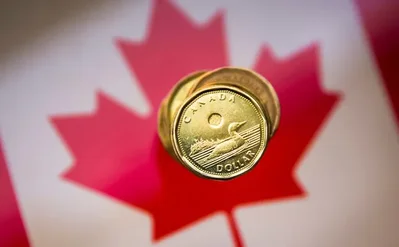
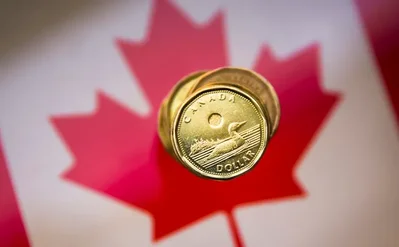
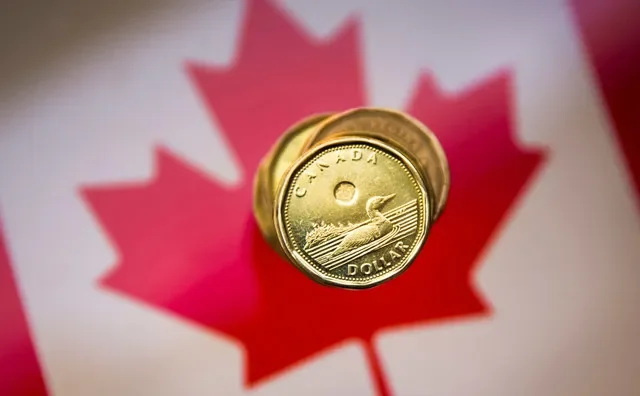
The Canadian dollar surged to a one-month high against its U.S. counterpart on Friday as global investors reacted positively to news that Iran has reopened a critical maritime trade route. The USD/CAD currency pair saw the loonie trading 0.2% higher at 1.3675 per U.S. dollar, after reaching an intraday peak of 1.3650, its strongest level since mid-March. For the week, the currency advanced 1.2%, marking its most significant weekly gain since the start of the year.
Iranian Foreign Minister Abbas Araqchi announced that the Strait of Hormuz is now open following a ceasefire agreement in Lebanon. This strategic waterway is essential for global energy markets, as it typically handles the transit of approximately 20% of the world's supply of oil and Natural Gas. The geopolitical easing was further supported by comments from United States President Donald Trump, who indicated that diplomatic discussions could take place this weekend and expressed optimism that a deal to end the regional conflict would be reached soon.
Adam Button, chief currency analyst at investingLive, characterized the market reaction as a collective sigh of relief.
The market is acting like its woken up from a bad dream and you would imagine coming out of this everyone is going to want to build larger oil inventories, which should be a tailwind for the Canadian dollar.
While the loonie strengthened, energy prices faced downward pressure as supply concerns dissipated. West Texas Oil futures settled 11.45% lower at $83.85 per barrel. Despite the drop in crude prices, the broader stabilization of energy transit is viewed as a positive development for Canada, a major global producer of energy resources.
Domestic economic data released on Friday showed a surprise 6% decline in housing starts for March. Investors are now turning their attention to the upcoming consumer price index report, which is expected to show annual inflation rising to 2.5% from 1.8% in February. Bank of Canada Governor Tiff Macklem has noted that while inflation may rise in the short term, an uptick in near-term expectations would not necessarily cause concern for the central bank. Consequently, market participants have scaled back their expectations for monetary tightening, now pricing in only one interest rate hike for the year compared to previous forecasts of three.
In the bond market, Canadian yields followed the trend of U.S. Treasuries, moving lower across the curve. The 10-year benchmark yield fell 5.5 basis points to settle at 3.448%.