Iran War Drives California Gas Prices Toward Ten Dollars
California fuel prices rise as the Iran conflict disrupts imports from Asia. Analysts warn of ten dollar gasoline while refiners seek alternative crude oil.

Fuel costs in California are surging far beyond the national average as geopolitical tensions in Iran disrupt global energy markets. The state, which is uniquely isolated from the rest of the United States due to its specific gasoline blends and lack of interstate pipeline access, faces a potential spike to $10 per gallon at the pump. Energy economist Philip Verleger noted that the region is particularly vulnerable to the fallout from Middle Eastern conflicts.
The U.S. West Coast will become the poster child for the consequences of the attacks on Iran.
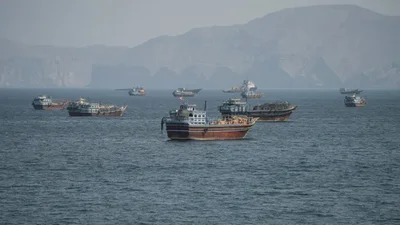
Over the past month, average regular gasoline prices in California jumped more than 18%, hitting $5.42 per gallon, significantly higher than the national average of $3.63. Jet fuel prices in Los Angeles have also soared more than 47% to approximately $3.85 a gallon since the conflict began. California’s reliance on energy imports from Asia has left it exposed as the closure of the Strait of Hormuz restricts supply. Refineries in China, South Korea, and India have been forced to cut production, with some declaring force majeure. Additionally, countries such as Thailand have suspended fuel exports to prioritize domestic needs.
The state’s vulnerability is compounded by the closure of local refineries in recent years as the industry shifts toward renewable fuels. Last year, the West Coast imported a record 128,000 barrels per day of motor gasoline and additives, primarily from South Korea and India. With these sources drying up, analysts warn that neighboring states do not have the spare capacity to compensate.
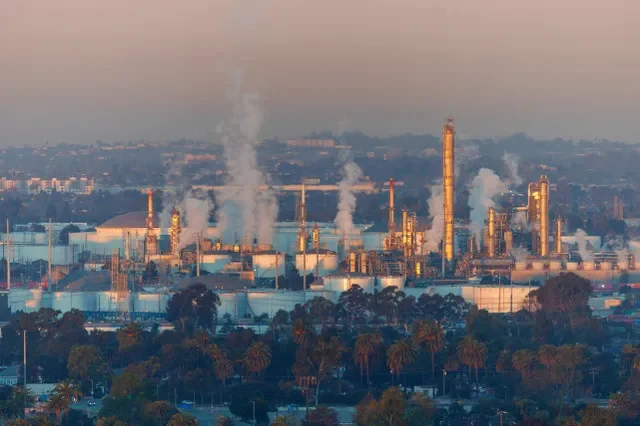
West Coast refiners, including facilities owned by Chevron Corporation and Marathon Petroleum Corporation, are now scrambling to secure alternative crude oil. Historically, these refineries have imported about 230,000 barrels per day of Middle Eastern oil, accounting for half of such imports to the country. They are now looking toward Canada, Ecuador, and Guyana for supply.
However, the availability of alternative crude is limited by strong demand from Asian buyers and infrastructure constraints. Kpler analyst Matt Smith noted that only a limited amount of Canadian oil is available due to pipeline restrictions. Refiners may also explore purchasing oil from Venezuela despite shipping challenges.
In response to the crisis, President Donald Trump is considering a temporary waiver of the Jones Act. This move would allow domestic crude to be shipped on non-U.S. flagged tankers, potentially lowering the cost of transporting fuel from the Gulf Coast to California. Debnil Chowdhury, head of refining at S&P Global Energy, described the current market environment as one of intense competition.
All other regions are also needing barrels at this point due to a widespread panic of availability.