Bulgaria Joins Eurozone Amid Political Opposition in EU
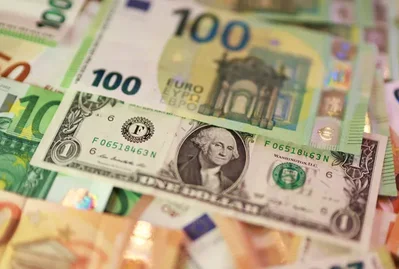
Bulgaria became the 21st member of the eurozone on January 1, despite half of its electorate opposing the move. This expansion highlights the political challenges faced by other EU countries such as Hungary, Poland, and Sweden, where constitutional and public resistance impede euro adoption.
洞察:
Bulgaria's accession to the eurozone on January 1 marks a significant milestone in European monetary integration, making it the 21st member of the currency union. This expansion, however, comes amid considerable opposition from within Bulgaria itself, where approximately half of the electorate opposed the move. Despite this internal division, the European Union (EU) continues to advance its monetary integration efforts, now focusing on the few remaining non-euro EU member states.
The pool of countries outside the eurozone has shrunk to a small handful, with nations like Hungary  HU, Poland
  PL, Czech Republic
  CZ, Sweden
  SE, and Denmark
  DKfacing unique political and constitutional challenges that complicate further expansion. In Hungary, Prime Minister Viktor Orban viktor orbanhas enshrined the forint as the national currency in the constitution, despite a 72% public support for euro adoption, as recorded in the October-November Eurobarometer survey. Hungary also grapples with the EU's highest debt-to-output ratio outside the eurozone, and its efforts to reduce deficits have stalled since the COVID-19 pandemic.
HU, Poland PL, Czech Republic CZ, Sweden SE, and Denmark DKfacing unique political and constitutional challenges that complicate further expansion. In Hungary, Prime Minister Viktor Orban viktor orbanhas enshrined the forint as the national currency in the constitution, despite a 72% public support for euro adoption, as recorded in the October-November Eurobarometer survey. Hungary also grapples with the EU's highest debt-to-output ratio outside the eurozone, and its efforts to reduce deficits have stalled since the COVID-19 pandemic.