
British Pound Gains as Traders Weigh Global Energy Risks
Sterling rose on Wednesday as traders balanced Middle East oil risks against potential reserve releases. Energy prices remain a key concern for UK inflation.

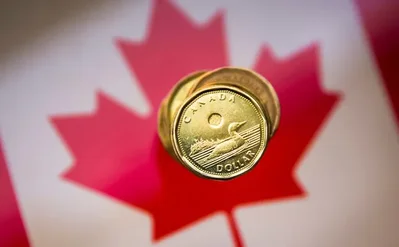
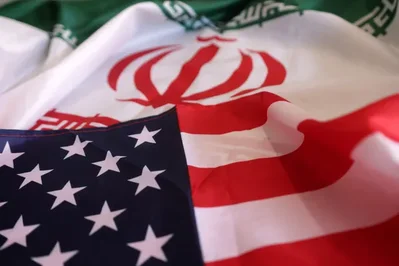
The British pound showed resilience on Wednesday, edging higher even as market participants grappled with the potential for an oil supply shock stemming from escalating conflict in the Middle East. The United Kingdom saw its currency rise 0.1% to $1.3430 against the U.S. dollar, while the EUR/GBP pair saw sterling strengthen 0.2% to 86.32 pence. This performance provided a rare moment of stability within European markets as traders monitored reports of potential emergency reserve releases. Rising energy costs remain a primary concern for import-dependent economies. Analysts at Oxford Economics suggested that British inflation could climb by an additional 0.4 percentage points if the Strait of Hormuz—a vital passage for global energy flows—experiences disruptions for up to two months. The vulnerability of the British economy to these external shocks was highlighted by market experts. > The UK is very exposed in terms of energy costs. Chris Beauchamp, chief market analyst at IG, noted that the public and investors alike are increasingly worried about a material economic slowdown. While global geopolitical factors have recently overshadowed domestic political risks, analysts at Bank of America Securities cautioned that the market might be underestimating the uncertainty surrounding the upcoming elections in May, where Prime Minister Keir Starmer’s administration is expected to face significant challenges. In the commodities market, Brent Crude Oil prices trended upward on Wednesday. This move occurred despite indications that the International Energy Agency was preparing a record release of oil reserves to stabilize the market. Sanjay Raja, chief UK economist at Deutsche Bank, suggested that the government might need to implement policy measures, such as extending fuel duty freezes or offering temporary tax breaks, to protect households from the impact of rising costs. > The key lies in balancing immediate household relief with broader fiscal responsibility amidst ongoing economic uncertainty. Tensions in the Middle East intensified as Iran launched strikes against Israel and other regional targets. These actions signaled Tehran's capability to disrupt energy supplies despite ongoing military pressure. In response, the United States President Donald Trump has issued warnings of more severe strikes against Iranian interests if oil shipments continue to be targeted, though Tehran has maintained its defiant stance. Meanwhile, the domestic bond market felt the pressure, with yields on the 10-year gilt rising by 3.2 basis points as government bond prices retreated.