Iran conflict exposes energy import risks for Asian nations
Bangladesh spent 880 million dollars on spot LNG after Iran blocked fuel routes. Pakistan avoided such costs by increasing its reliance on solar power capacity.

The global energy market is facing its second major shock in four years, highlighting the starkly different outcomes for nations based on their reliance on imported fuels. As the conflict involving Iran, the United States, and Israel disrupts supply chains, the contrasting strategies of Pakistan and Bangladesh serve as a case study for emerging market energy security.
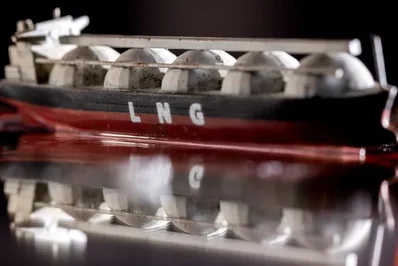
Following the 2022 energy crisis triggered by the invasion of Ukraine, Pakistan embraced a consumer-led solar revolution. In contrast, Bangladesh opted for long-term Natural Gas contracts to power its industrial growth. The recent escalation in the Middle East has now exposed the vulnerabilities of the latter approach. When the Strait of Hormuz was blocked, Bangladesh was forced to secure 11 cargoes from the spot market at an average price of $21.35 per million British thermal units, nearly double the costs seen before the conflict. This expenditure of approximately $880 million represents nearly 15% of the nation's average monthly imports.