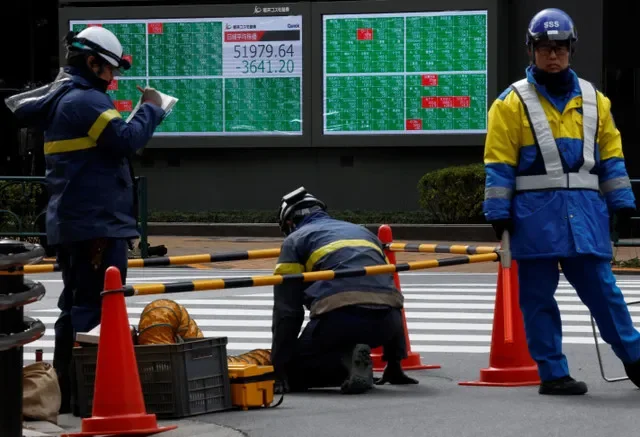
The geopolitical situation worsened as Tehran warned it would target the energy and water infrastructure of neighboring Gulf states if the White House followed through on threats to strike the Iranian power grid. President Donald Trump issued a 48-hour ultimatum for the reopening of the Strait of Hormuz, a critical maritime artery that remains largely impassable for commercial shipping.
Shane Oliver, head of investment strategy at AMP, noted the potential for prolonged disruption.
The war could still go on for many weeks yet and see oil prices rise say to $150 a barrel.
Energy markets remained highly volatile, with Brent Crude Oil trading at $111.90 per barrel, representing a 55% increase so far this month. Analysts at HSBC highlighted that jet fuel prices in Singapore have surged 175% this year, while liquefied natural gas and bunker fuel costs have also climbed significantly, impacting global trade and food prices.
The persistent inflationary pressure from energy costs has led investors to abandon expectations for monetary easing. Markets are now pricing in potential interest rate hikes across developed economies, with the Federal Reserve no longer expected to implement the 50 basis points of cuts previously anticipated for this year. This hawkish shift has pushed the 10-year Treasury yield to an eight-month peak of 4.4110%.
In the currency markets, the EUR/USD pair edged lower to $1.1555. Meanwhile, USD/JPY remained stable at 159.15, though investors are closely watching the 160.00 level for potential intervention by Japanese authorities. In the commodities sector, Gold rose 0.4% to $4,511 per ounce, despite recent pressure from rising global interest rates.