
Asian Nations Spend Billions to Offset High Oil Prices
Asian governments are spending billions on subsidies and tax cuts to shield consumers from rising oil prices. Measures include price caps and energy saving.

Asian governments are committing billions of dollars in subsidies to protect consumers from a sharp rise in energy prices, primarily driven by the impact on Brent Crude Oil following the conflict involving the United States, Israel, and Iran. As the primary destination for Middle Eastern oil, nations across the region are implementing diverse fiscal measures to stabilize domestic markets.
In Japan, the administration is drawing 800 billion yen ($5.02 billion) from reserve funds to finance gasoline subsidies. The program aims to keep the average price of WT GASOLINE at approximately 170 yen per liter, with monthly costs estimated to reach 300 billion yen.
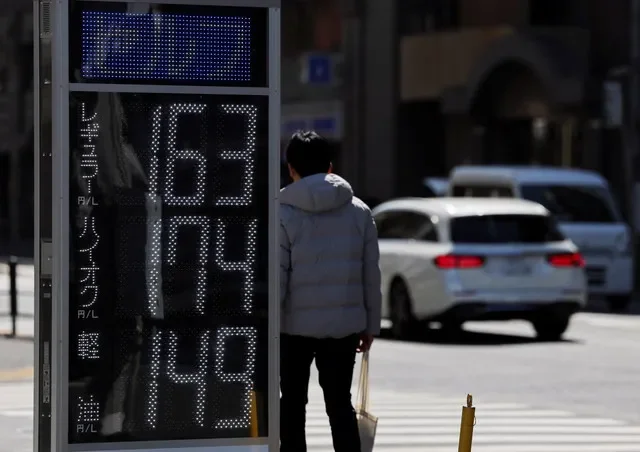
South Korea has proposed a supplementary budget of 26.2 trillion won ($17.3 billion) to support low-income earners and businesses. This marks the second extra budget under the administration of President Lee Jae Myung, with parliamentary approval expected by April 10.
Indonesia has allocated 381.3 trillion rupiah ($22.4 billion) to maintain affordable energy. These funds compensate state entities, including PERTAMINA GEOTHERMAL ENERGY and utility firm PLN, for keeping fuel and electricity tariffs stable. Additionally, Jakarta has introduced a 50-liter daily limit for car fuel sales and energy-saving policies for civil servants, such as Friday work-from-home schedules and reduced meal distributions.
The Philippines energy ministry is activating a 20 billion pesos ($329.75 million) emergency fund to secure domestic supply, including the purchase of refined products and liquefied petroleum gas.
In Thailand, the government is preparing a suite of measures including tax cuts and borrowing guarantees. Finance Minister Ekniti Nitithanprapas commented on the upcoming strategy:
Measures to ease the economic impact of rising oil prices will be proposed at the new governments first cabinet meeting on April 6.
Vietnam has temporarily suspended environmental and special consumption taxes on fuels to stabilize the market, a move expected to reduce state revenue by 7.2 trillion dong per month. Meanwhile, Malaysia has increased its monthly spending to 4 billion ringgit to maintain fixed transport fuel prices and provide cash assistance to diesel vehicle operators.
India has slashed excise duties on petrol and diesel, resulting in a fortnightly revenue loss of 70 billion rupees. To recover funds, the government has imposed windfall taxes on aviation fuel and diesel exports.
In Australia, the government has halved the excise on fuel for three months at a cost of A$2.55 billion. Further east, New Zealand is providing weekly financial support of NZ$50 to low-income families. Finance Minister Nicola Willis noted the fiscal implications of the support:
The policy is estimated to cost a one-off NZ$373 million if it runs for the full year.