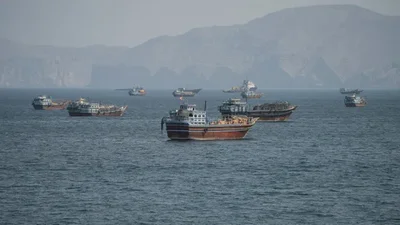

Analysts see oil at $200 if Iran conflict escalates
Brent crude has risen 50 percent since the war began. Analysts expect prices to remain high as threats to the Strait of Hormuz disrupt global oil supplies.

Oil prices are expected to remain at elevated levels as the conflict involving Iran continues to disrupt global energy markets. Analysts polled by Reuters indicate that the potential for a surge beyond current prices is high, particularly if the Strait of Hormuz remains effectively closed or if critical production infrastructure faces further attacks. Since the onset of hostilities, Brent Crude Oil futures have climbed by more than 50%, briefly exceeding $119 per barrel last week. This volatility follows Iranian strikes on energy targets and threats against maritime traffic in the Strait of Hormuz, which facilitates approximately 20% of the world's oil and gas supply. A poll of 13 analysts suggests that prices could reach as high as $200 per barrel if Iranian export facilities are targeted. Under current conditions, where supply disruptions are sustained, the average forecast for Brent sits at $134.62, with estimates ranging between $100 and $190. The International Energy Agency reports that global oil supplies had decreased by roughly 11 million barrels per day as of late March. While the United States has extended a deadline for the reopening of the Strait, there are ongoing considerations regarding the use of ground forces to secure Kharg Island. This location is vital as it handles nearly 90% of Iranian oil exports. Any escalation resulting in damage to Kharg Island is expected to push prices well above $120. The economic consequences are being felt globally, with energy-importing nations in Asia and Europe bearing the brunt of the costs. Analysts warn that a sustained breach of $150 per barrel would cause significant distress. Regarding the specific regional impacts, Suvro Sarkar, an analyst at DBS Bank, provided insight into the situation. > As long as transit through the Strait of Hormuz is affected, all Asian countries will feel the pinch but in somewhat different ways. North Asian countries will risk power rationing while South and Southeast Asian countries will risk consumer and industrial fuel rationing. Even if the United States and Israel were to conclude the war soon, the persistence of threats to shipping could keep prices between $50 and $150. This range reflects the deep uncertainty regarding the duration and severity of post-conflict flow disruptions. Beyond the energy sector, agriculture and downstream chemicals are facing severe pressure due to rising transport and production costs. Thomas Wybierek, an analyst at NORD/LB, noted the specific vulnerabilities of these industries. > Supply chain problems and rising costs affect in particular the chemical and agriculture sector.