
Airbus pursues damages over Pratt and Whitney engine delays
Airbus seeks damages from Pratt and Whitney over engine delays. The dispute involves prioritizing new aircraft production over repairs for grounded airline fleets.

Airbus SE is intensifying its legal pressure on United States engine manufacturer Pratt & Whitney, a subsidiary of RTX Corporation, by seeking damages over persistent delays in engine shipments. This escalating conflict stems from a month-long disagreement regarding the prioritization of limited engine supplies between new aircraft assembly lines and airlines waiting for repairs.
The Geared Turbofan engines produced by Pratt & Whitney power approximately 40% of the A320neo family, which is the most popular aircraft line for the European manufacturer. Currently, hundreds of these narrowbody jets remain grounded worldwide as a result of extended wait times for inspections and repairs following a significant manufacturing defect discovered at the engine maker.
Airbus has alleged that the engine supplier retracted its commitments regarding the number of units allocated to its factories, a shortfall that contributed to a recent reduction in production targets. CEO Guillaume Faury signaled the potential for legal intervention last month, indicating that the company was prepared to exercise its contractual rights.
The planemaker was ready to enforce contractual rights.
While the specific forum for the dispute has not been disclosed, such commercial claims in the aerospace sector are typically resolved through private arbitration. Pratt & Whitney has maintained that it is working to find a balance between supporting airlines and fulfilling new delivery obligations, noting that overall deliveries increased by 50% last year.
This friction reflects a wider industry struggle over parts and labor that has affected other major players, including The Boeing Company. The current situation is being compared to the high-profile legal battle between Airbus and an airline based in Qatar regarding surface degradation on A350 jets in 2022.
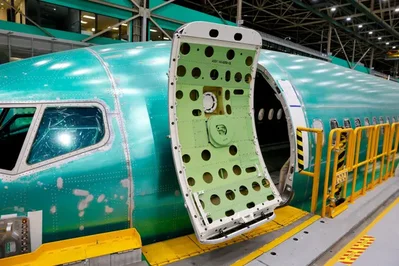
In addition to the engine shortages, Airbus has faced internal production hurdles. Late last year, the company had to adjust its delivery goals due to supply chain disruptions involving fuselage panels sourced from a supplier in Spain.